Warm-Up vs Stretching: Different Jobs at the Start of Exercise
Separate gradual activity preparation from flexibility work, understand dynamic overlap and held-stretch timing, and choose the order for your session.
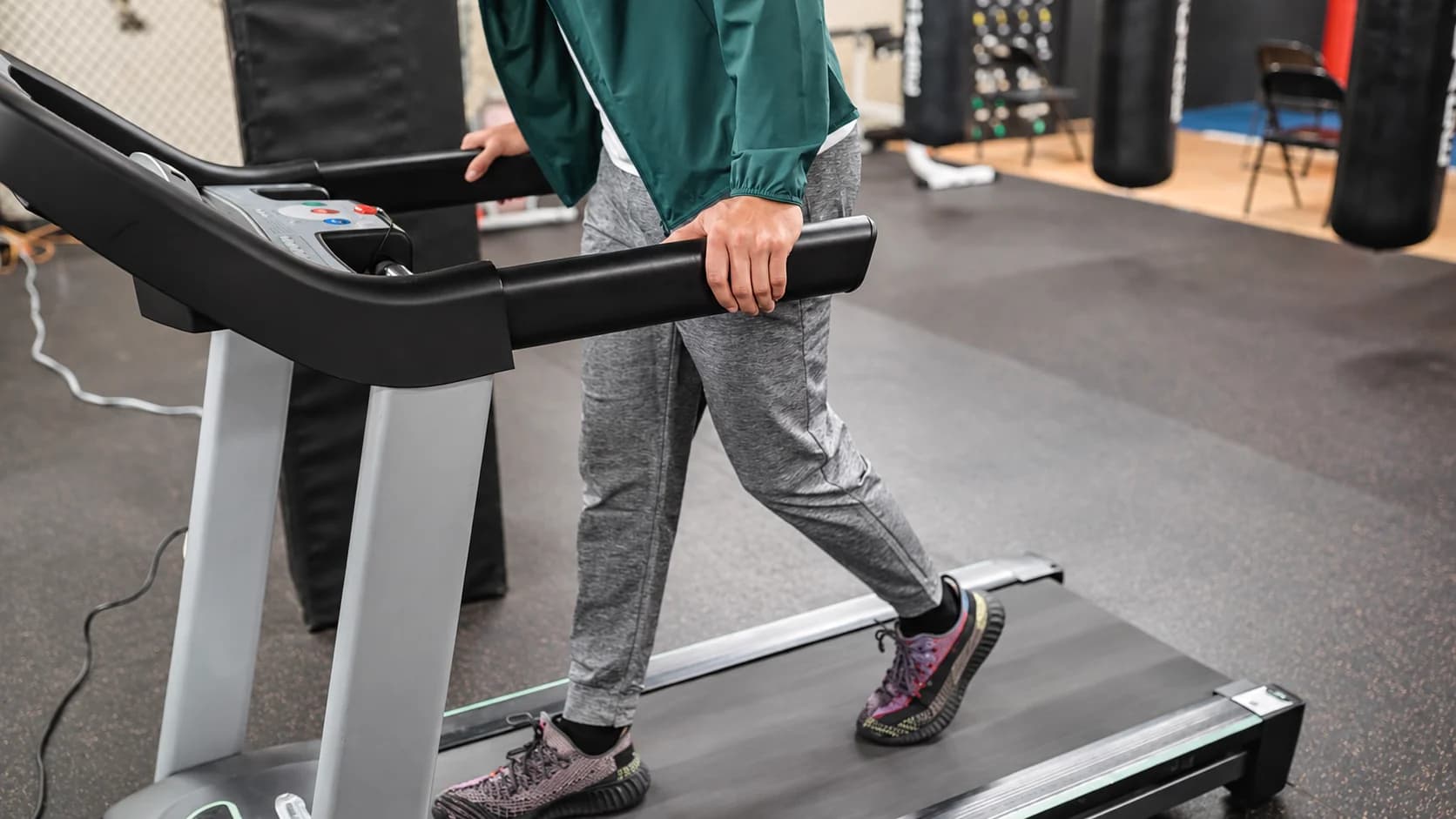
A warm-up prepares you to begin the activity you have planned. Stretching focuses on flexibility and range of movement. They can belong in the same session, but a held stretch and an easier start to exercise do different jobs.
The useful decision is what you are preparing for, which kind of stretching you mean and where it fits. That avoids two common mistakes: treating all stretching as a complete warm-up, or treating every stretch before exercise as something to avoid.
What is the difference between a warm-up and stretching?
| Part of a session | Main job | What it can look like |
|---|---|---|
| A warm-up | Begin the planned activity gradually. | An easier pace before the main aerobic effort. |
| Dynamic preparation | Use controlled movements related to the coming activity. | Low-level activity-specific movement that gradually increases in speed or intensity. |
| Held stretching | Work on flexibility through a held position. | A separate flexibility component, with timing chosen for the session. |
Mayo Clinic's stretching guidance describes flexibility work and low-level dynamic preparation related to the activity. The question is whether each part fits what comes next.
A session plan can include all three jobs without using them interchangeably. Name the preparation, the main activity and any flexibility work separately. You can then see whether a proposed “warm-up” actually starts the activity gradually or simply adds an unrelated held position.
The purpose of a warm up: ease into the activity
The American Heart Association's guidance describes gradually raising heart rate and breathing before moderate or vigorous aerobic activity: five to ten minutes at a slower pace, with more time for a more intense main activity.
That gives the warm-up a clear relationship to the session. Walking, running or cycling can begin more slowly before the main effort. The easy part is preparation for that activity, rather than a separate challenge to make the opening minutes as demanding as possible.
After desk work, before a brisk walk
For a brisk walk after desk work, the AHA's example fits directly: start with slower walking. Getting up starts the break; the slower walk prepares for the brisk part.
Keep this a planning example rather than a test of whether sitting has made you “stiff enough” to need treatment. The next activity is walking, so the preparation can be organised around walking. There is no need to turn the desk break into a different workout first.
Choose the opening by the session’s purpose
| Session you are about to follow | Opening decision | Question kept separate |
|---|---|---|
| Brisk walk | Begin with the easy walking entry in that plan | A held stretch is not all of the walking warm-up |
| Strength session | Use the movement-specific preparation stated by the programme | Set roles and loading need their own instructions |
| Flexibility or yoga lesson | Follow the teacher’s entry and the particular position’s purpose | A style name does not supply a universal hold |
Stretching before exercise: the type and timing matter
Mayo recommends light activity before stretching. It notes that held stretches immediately before sprinting or an intense event may slightly reduce performance, not that all pre-exercise stretching is harmful.
Distinguish the question you are asking. “Does this held stretch fit immediately before this intense effort?” is more specific than “Is stretching bad?” A dynamic preparation and a longer flexibility task may occupy different places in the same session because they serve different purposes.
Mayo also reports mixed stretching benefits; neither component is a promise of protection from injury.
Apply the distinction to a yoga lesson
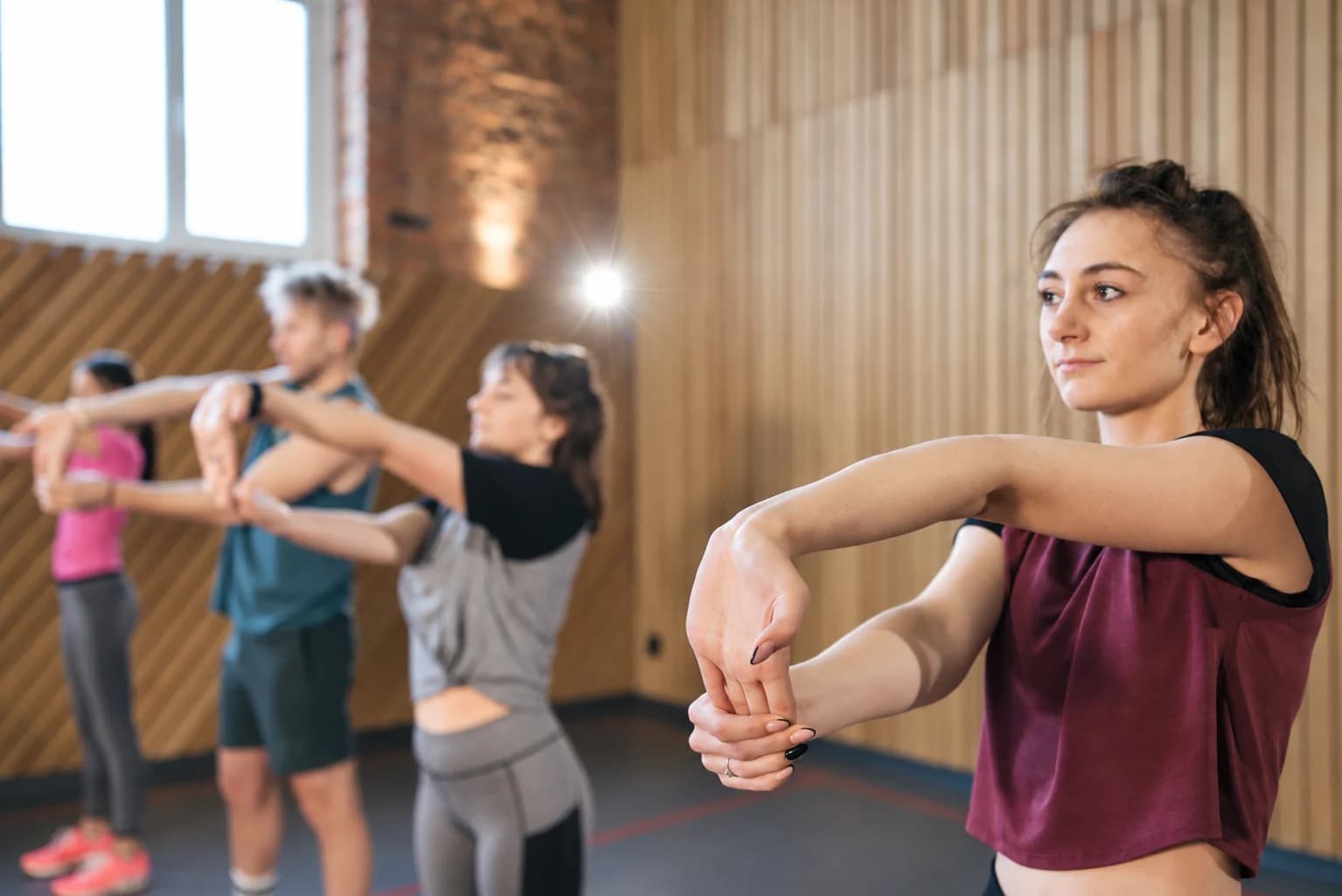
Mayo mentions gentle yoga and Pilates movement. As a planning application, separate a teacher's gentle opening from deeper held flexibility work; follow the actual class progression rather than labelling every opening pose a warm-up.
If you are choosing a class, find out how it begins and whether the opening is appropriate for the lesson's level. A demanding held position is not made into gradual preparation simply by placing it first. Equally, the presence of stretching does not mean a lesson has omitted all movement preparation.
No separate yoga time quota follows from the AHA's aerobic example. Use the class's own teaching and any participation guidance relevant to you, instead of transferring a walking or running recommendation into a new pose sequence.
Choose a floor surface for the activity you planned
The PBGGAME blue cross-fold exercise mat is an optional floor-surface format for a session that already calls for a mat. This option contains one textured mat with lengthwise and crosswise fold lines; the listing includes a storage bag and identifies the material as TPE. Compare its listed dimensions with the space and surface requirements of your chosen activity.
In your written session, keep preparation, main activity and flexibility work clearly identified. A mat can be present during any of those phases, so its presence does not identify the purpose of the movement. Follow the guidance for the specific activity rather than deciding from the equipment alone.
Choose a PBGGAME mat for the surface, floor space and storage arrangement you plan to use. Follow its use instructions and keep the practice area clear, then apply the gradual preparation and stretching choices described above.
Choose the order from the session's purpose
Before beginning, finish one simple sentence: “I am preparing for ___.” That identifies the activity the easier opening should relate to. Then decide whether the stretching you have in mind is moving preparation, held flexibility work or a different task altogether.
If flexibility is the activity you intend to practise, the lower-body mobility guide addresses that separate session. It does not make every mobility exercise a universal warm-up for walking, yoga or strength work. Keep the purpose of each part visible, and the order becomes easier to choose.