Partner Resistance Training: Agree on the Task Before Adding Force
Distinguish independent exercises, encouragement and partner-applied resistance. Agree on the actual task and learn each physical role before adding force.
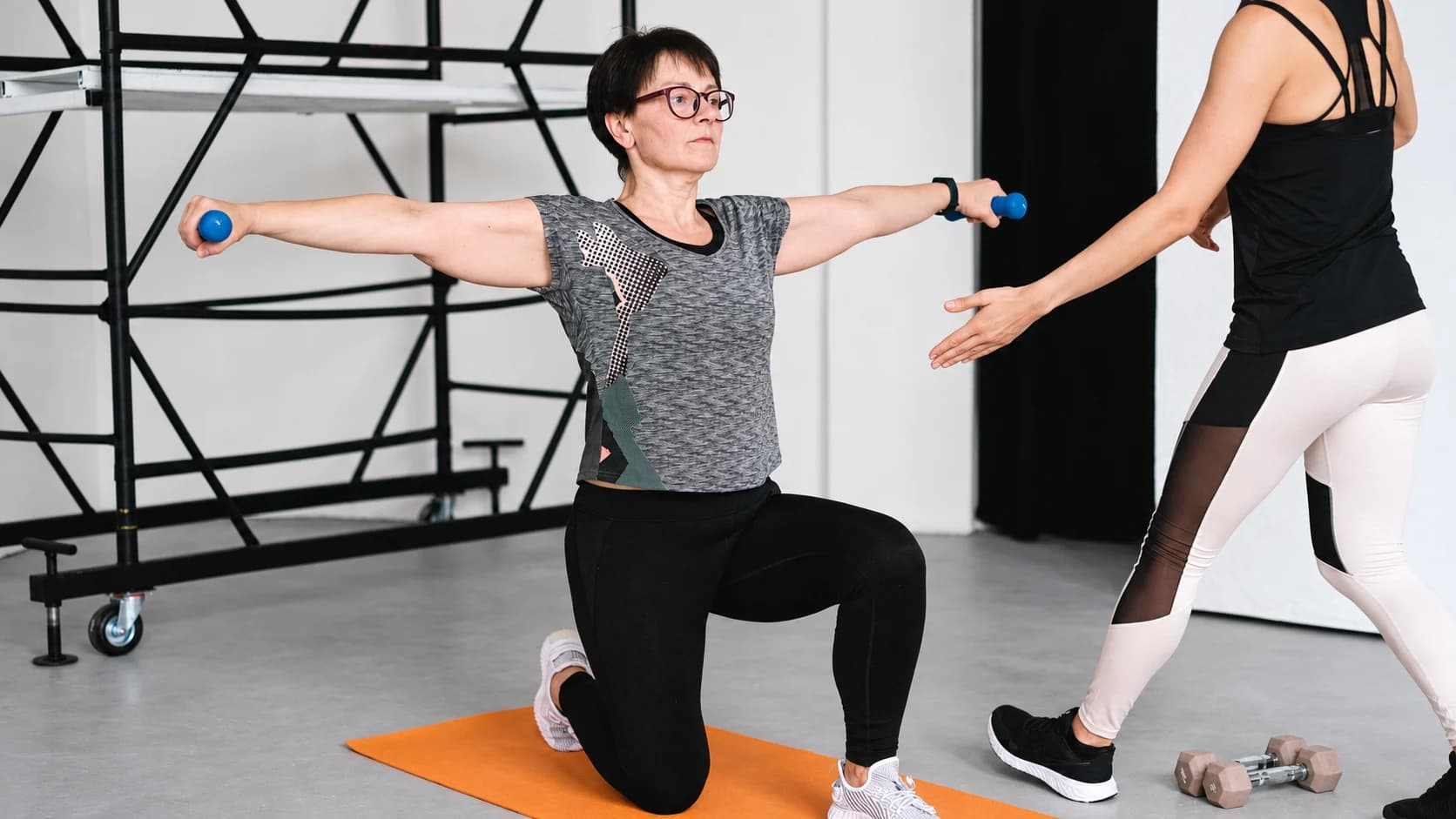
Partner resistance training starts with agreeing on the task. Working out beside someone, encouraging them and supplying resistance for their movement are different roles. Decide which arrangement you mean before choosing equipment or adding another person's force.
Use this page as a role-and-communication guide. It does not teach where or how much force a partner should apply; the actual manual-resistance task needs instruction for both people.
Write the agreement before the physical task
| Agreement field | Both partners’ confirmed understanding |
|---|---|
| Instruction being followed | Named lesson / instructor / exact task: ____ |
| Each person’s role | A: ____; B: ____ |
| Communication wanted | Ready / pause / finish or other taught signals: ____ |
| Uncertain point | ____; clarify before beginning |
| Change or stop | How both people will acknowledge the changed plan: ____ |
A completed agreement describes a shared understanding, not competence in applying force. Company, encouragement and independently performed exercises can remain the whole arrangement.
Describe the partnership before the exercise
| Arrangement | What the partners need to clarify |
|---|---|
| Each person performs a separate exercise | Who uses each item, and how the shared space works. |
| One person supplies resistance during the other's task | The specific taught task and each person's instructed role. |
| One person offers encouragement or feedback | What kind of communication the exercising partner wants. |
Clear language helps avoid a simple misunderstanding: “Let's train together” does not tell either person what physical involvement is expected. Name the roles directly rather than assuming you both understand the invitation the same way.
Manual resistance exercise gives the partner a specific job
Princeton Athletics' manual-resistance guidance describes roles called the lifter and spotter. In that document, the partner's role belongs to the manual-resistance task. The guidance emphasises learning the technique for both roles and maintaining communication.
Read the task description before interpreting the word “spotter.” Watching a familiar exercise, offering encouragement and supplying resistance are different jobs. The label alone does not explain which one is expected or how a person should perform it.
For a task you have been taught, make the role explicit before starting. A request to observe a movement is not a request to add force. A person who agrees to join your workout has not automatically agreed to provide manual resistance.
The person providing resistance is part of the research setup
In an eight-week study by Chulvi-Medrano and colleagues, twenty recreationally trained men were assigned to manual or conventional resistance training. The manual resistance was supplied by an experienced, certified personal trainer. That person's skill was part of the setup.
Neither group showed a statistically significant strength or endurance change in the reported comparisons. That does not establish equivalence, superiority or a promised benefit from adding a friend to your workout. It also does not show that an untrained partner can reproduce the research arrangement simply by following the exercise names.
Use this detail when reading a study or an online example: identify who supplied the resistance and how the task was taught. The human role is not an interchangeable accessory you can leave out of the description.
Agree on resistance before a partner workout
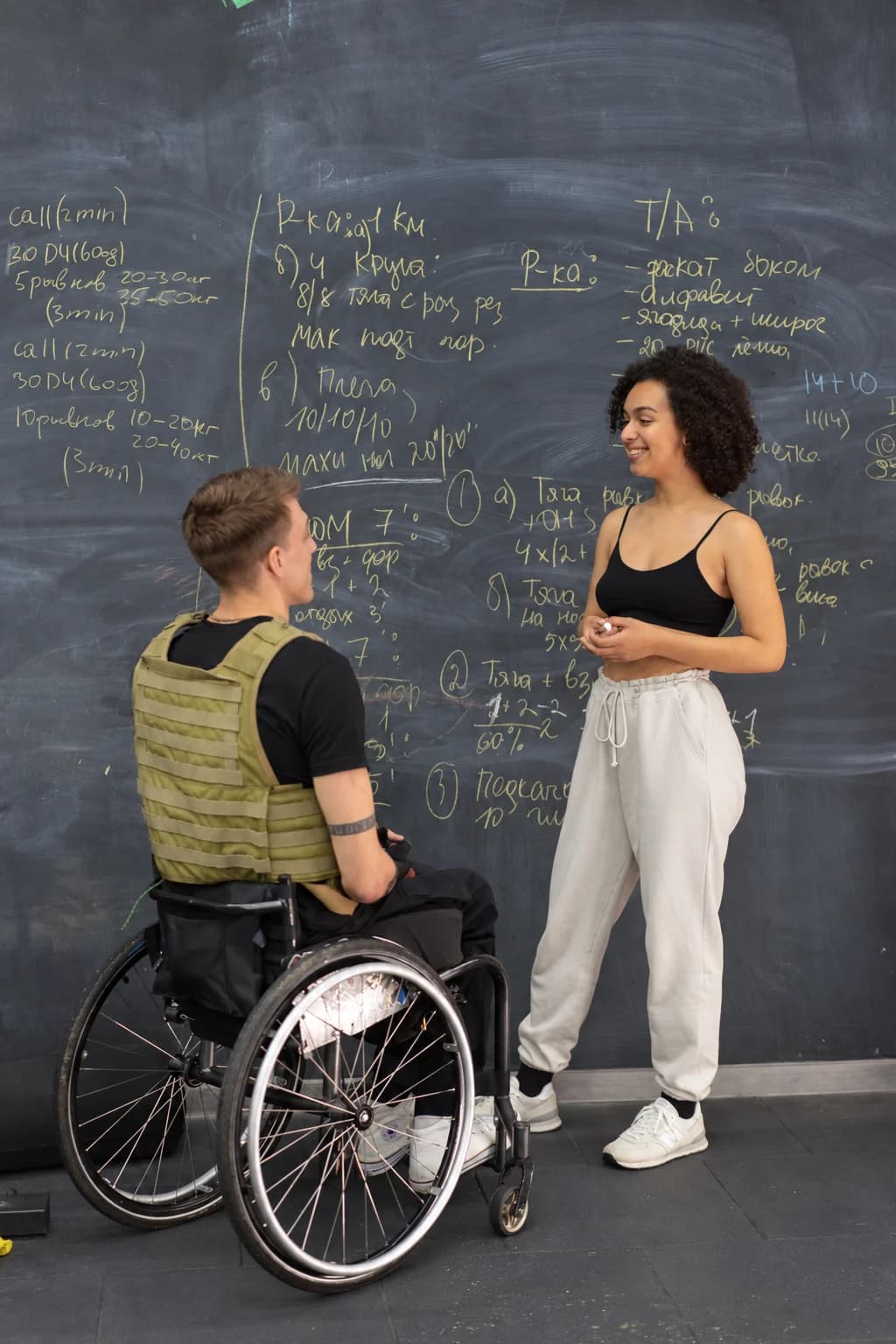
Give each person a chance to describe the task in their own words. If one expects to perform a familiar exercise independently while the other expects to resist it, you have found a difference to resolve before starting. Sharing a fitness goal does not mean sharing the same understanding of the movement.
Keep the agreement concrete. Name the exercise guidance you are following, identify what each person is expected to do and discuss the communication you both want. “Help me with this” leaves more uncertainty than a clear request to observe a particular part of an already-learned task.
For manual resistance, communication accompanies technique rather than replacing it. Enthusiasm does not explain where or how to apply force. Learn the relevant roles through appropriate instruction instead of trying to invent a method from a photograph or a friend's description.
If either person is uncertain about the job, pause to clarify it. A change of plan should be discussed as a change, rather than silently added while the other person continues with a different expectation.
Training together can still mean separate exercises
You may simply want company while each person follows an existing practice. That arrangement can have a clear purpose without introducing partner-applied force. Discuss the shared space, whether an item needs to be used in turn and what kind of feedback each person finds helpful.
One person may want quiet concentration; another may want encouragement. Agreeing on that preference can make the partnership more useful than assuming everyone wants the same commentary. Neither preference creates a manual-resistance task.
This also keeps equipment choices straightforward. Buy for the independently chosen use you actually have, rather than treating a product labelled for fitness as permission to create a new two-person pulling arrangement.
Two floor pads for two independent tasks
For an existing floor-based practice, the PBGGAME textured foam knee-pad two-pack offers two separate supplemental contact pads. The selected Black — Pack of 2 was listed at $32.99 when this article was prepared. Each pad is a short rectangular piece with a ribbed surface, rather than a full-length exercise mat.
If each person's familiar task uses a pad, the pack provides one for each individual space. That is a shared purchase for separate uses. The pads do not define a partner-resistance exercise or establish how someone should apply force to another person.
Choose the selected two-pack and check its actual contents and supplied instructions for the use you intend. The equipment decision remains separate from agreeing on a physical partner role.