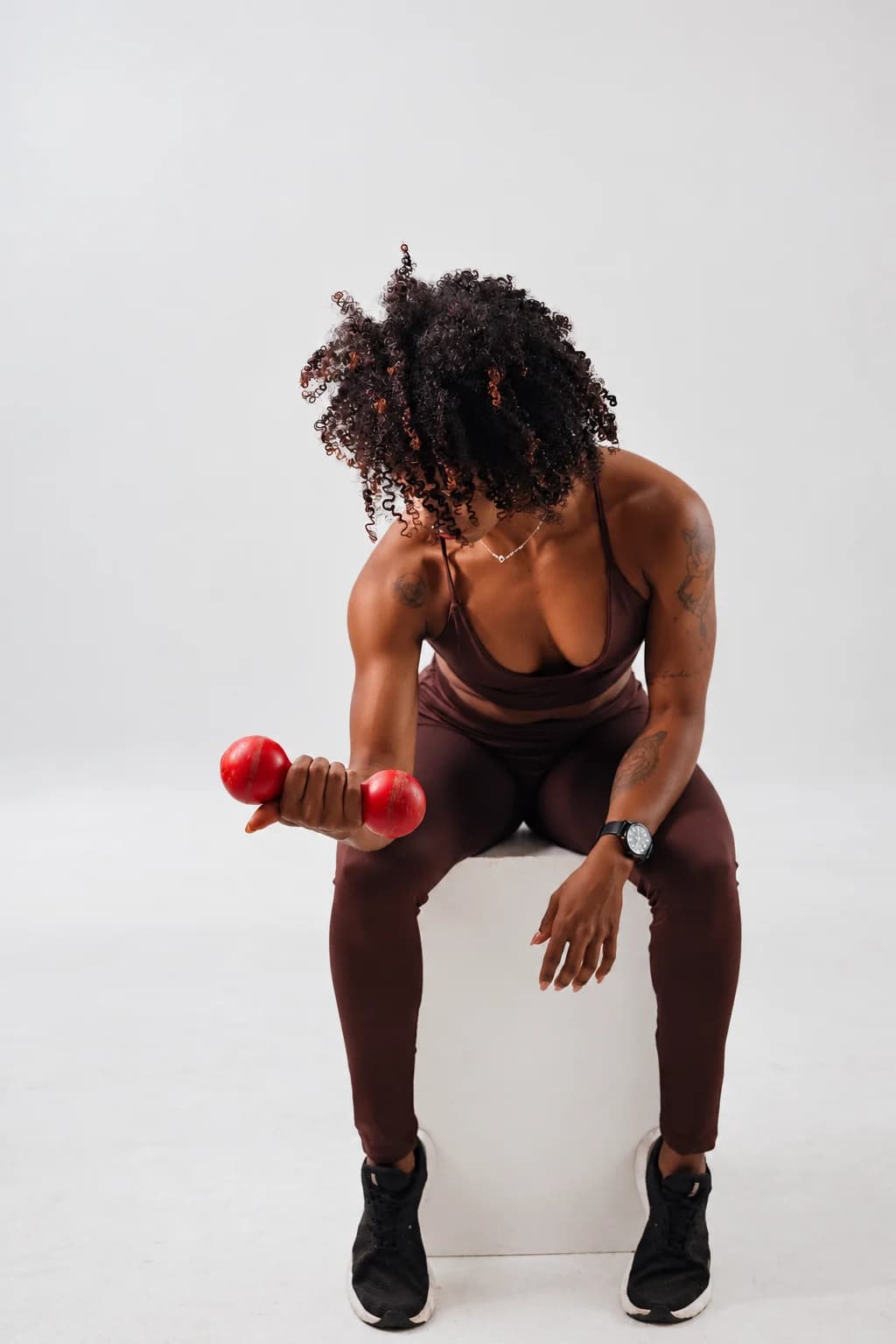
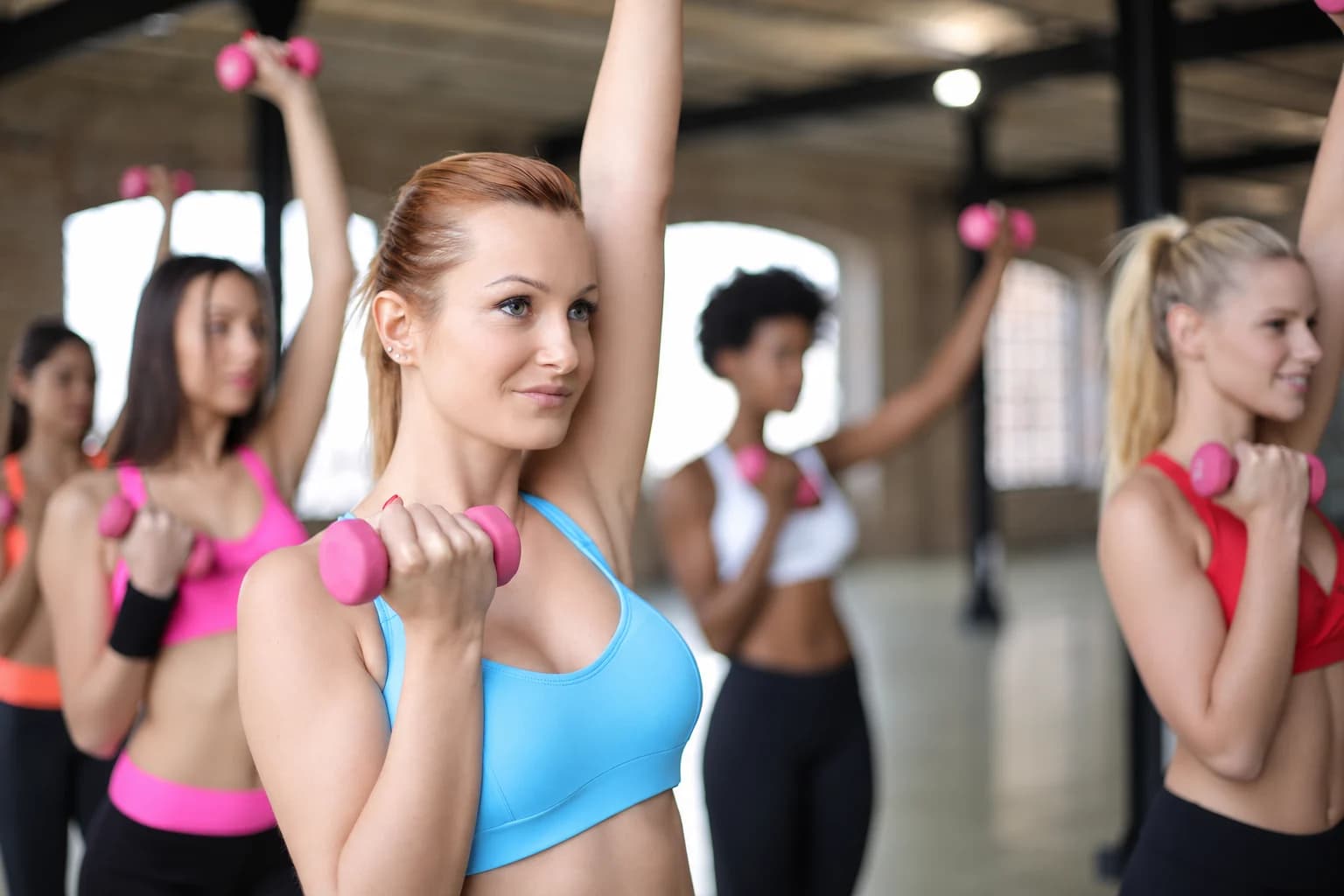
Kettlebell vs Dumbbell: Match the Tool to the Movement
Compare kettlebell and dumbbell grip geometry, available loads, storage and complete cost, then choose equipment that fits the movements you want to practise.
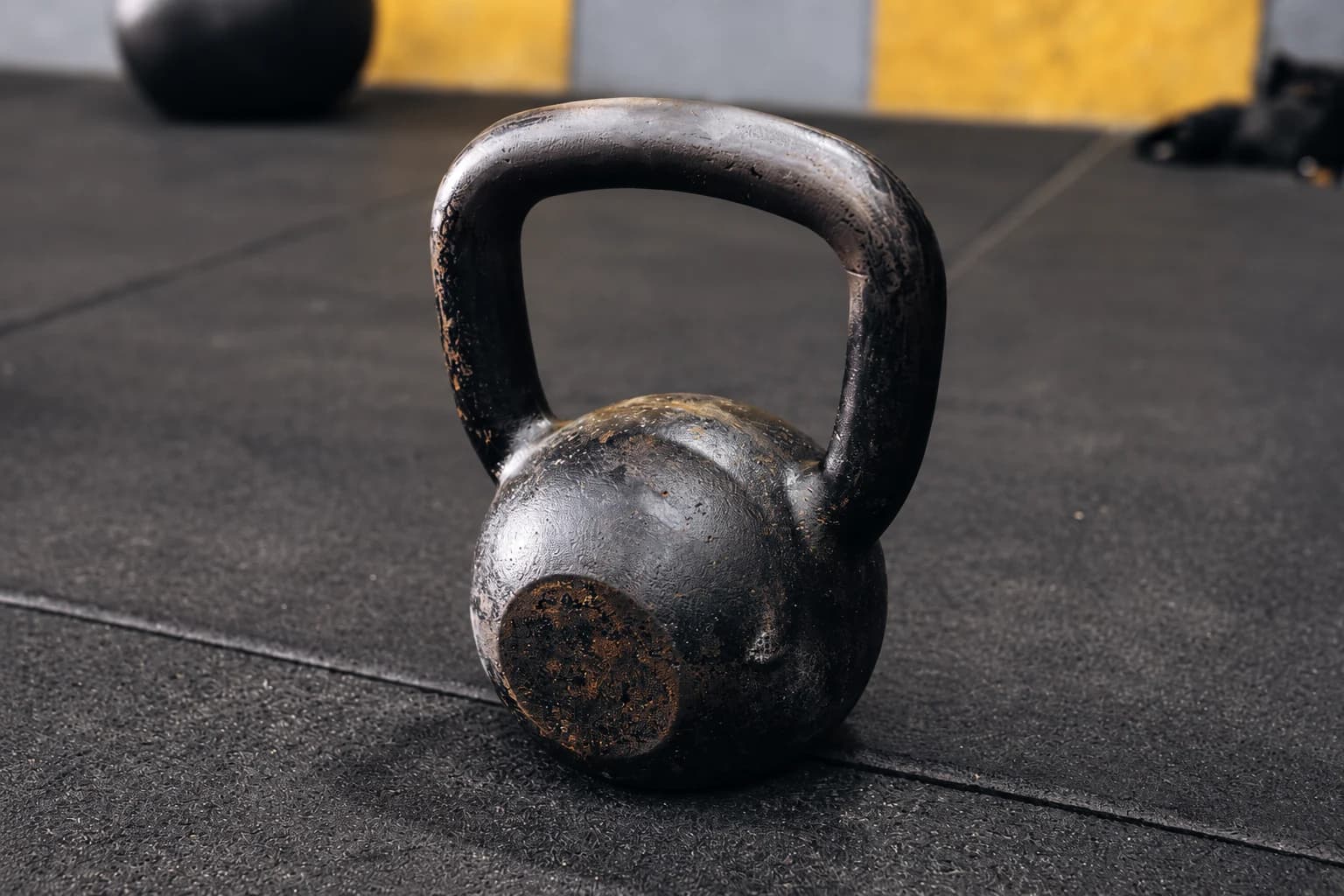
For the kettlebell vs dumbbell decision, start with the movements you want to practise, the loads available and how the equipment fits your hand and room. Either format can be useful. A familiar tool that you can position and return under control is a better starting point than choosing by reputation alone.
The most visible difference is the handle. A conventional dumbbell places weights on either side of a central grip. A conventional kettlebell has a handle above its main body. That changes where the equipment sits relative to the hand, but does not make every exercise harder, easier or more effective.
Compare familiar tasks, not tool reputations
| Task you already know | What to compare on the actual implements | What does not follow |
|---|---|---|
| One-handed carry | Handle opening / usable grip, body or head clearance, manageable available mass and set-down route | A kettlebell is not automatically more useful because it hangs below a top handle |
| A familiar press | Room for the heads or body in the taught position; the permitted setup and actual load | A different shape does not supply the technique or a comfort guarantee |
| Learning a kettlebell-specific skill | An intended complete model plus appropriate instruction for that skill | An empty shell or plate-loading handle alone is not a ready-to-use fixed weight |
| The featured 1 kg dumbbell pair | Two separate weights: 1 kg in each hand when both are used | The pair is not one 2 kg implement or a complete progression |
Compare the handle and the space around it
TRX's kettlebell and dumbbell comparison describes this basic geometry. Look at the actual implement as well as its label: handle thickness, opening, head size and body shape affect how it fits a particular position. Filled shells, adjustable systems and adapters can differ substantially from conventional fixed weights.
| Decision | Conventional dumbbell | Conventional kettlebell |
|---|---|---|
| Where is the weight? | Heads sit on either side of the central handle. | The main body sits below the top handle when hanging. |
| What needs clearance? | Both heads and the length of the implement. | The handle opening and the body beyond it. |
| How will you hold it? | Check the usable grip length and head contact for the chosen movement. | Check the handle and body contact in the intended holding position. |
| What must you buy? | Confirm whether the offer is one weight, a pair or an adjustable system. | Confirm whether it is a complete weight, an empty shell or a loading handle. |
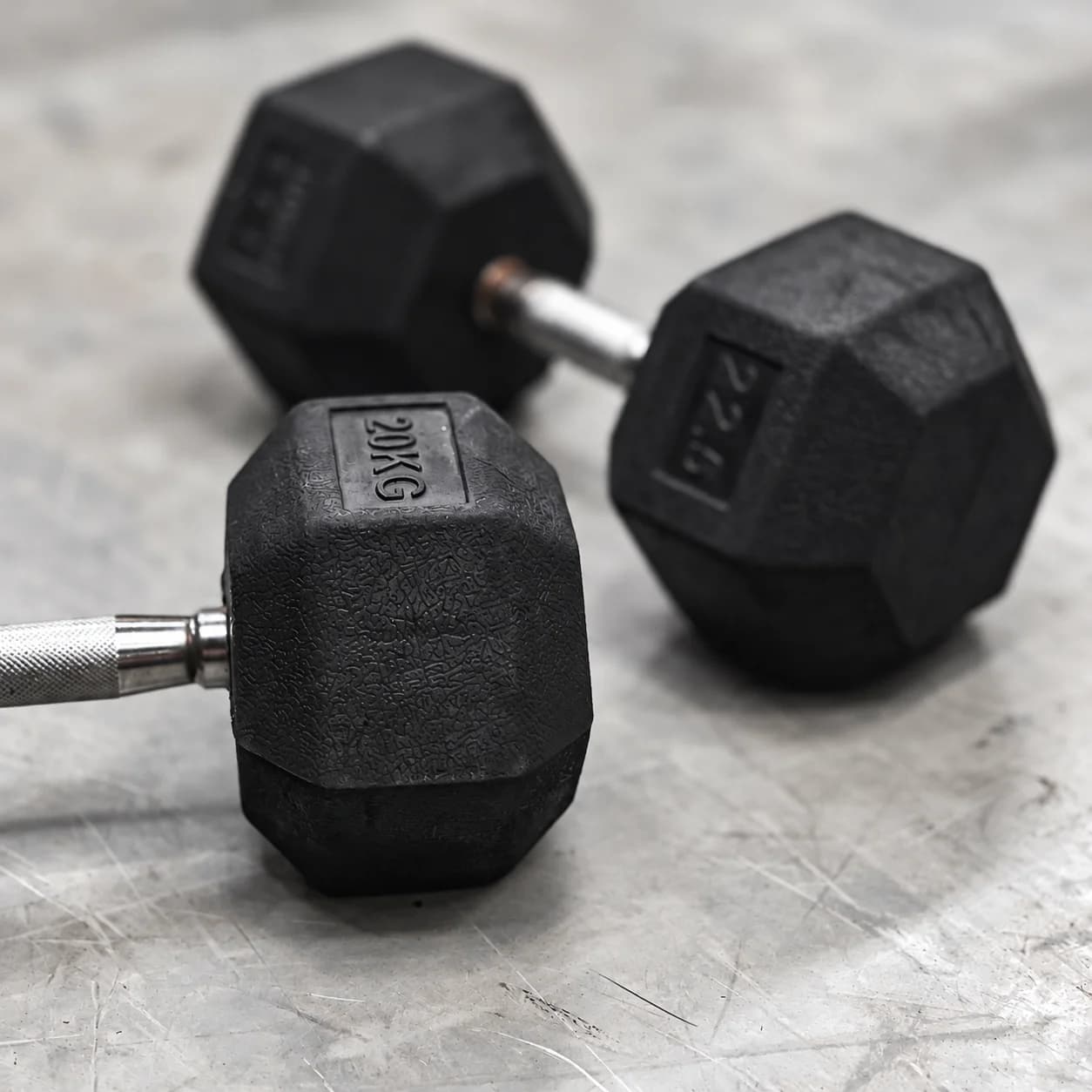
Turn or reposition either implement and its relationship to your hand changes. Do not assume that a kettlebell always hangs below the wrist, or that a dumbbell is comfortable in every position because its grip is central. The useful question is whether the whole tool clears your body and surroundings during the movement you actually intend to perform.
What offset weight training means for this choice
Offset weight training can describe weight positioned away from the grip, or an exercise loaded on only one side of the body. These are different decisions. A kettlebell's hanging body illustrates the first; carrying one weight in one hand illustrates the second. A dumbbell can also be used for a one-sided carry.
In its farmer's carry guide, Peloton includes both kettlebells and dumbbells as equipment options. The shared task matters more than the name: there must be room for the implement, a clear route and a controlled way to finish and return it. This does not make every handle or weight suitable for your hands.
A new shape may feel unfamiliar even when the labelled mass matches something you already use. Treat that as a reason to check the setup and practise with an appropriate load. It is not proof that one tool automatically provides more useful work for the core, better balance or a superior strength result.
Choose a kettlebell or dumbbell for home
- Name the movement first. Choose a tool that fits exercises you already know or will learn with appropriate instruction. A purchase does not supply swing, clean or overhead technique.
- Check the whole holding position. Allow room for the fingers and check where the body or heads would sit. Do not force two hands into a small handle opening.
- Check the available loads. Compare a manageable starting option and the next useful increment, rather than assuming every weight in a set will suit the same exercise.
- Check the working space. Include the route into position, the exercise and the return. Keep equipment out of doorways and walking paths.
- Compare the complete cost. Count required plates, compatible parts or filler, delivery and storage, rather than comparing an accessory price with a ready-to-use pair.
Storage is a practical measurement, not a contest between tool names. Measure the actual footprint and height of the items you would buy, including separate plates or spare weights. Decide where each item will rest between uses and whether you can retrieve it without moving other heavy equipment.
Match the equipment format to the movement you want to learn. Dumbbells offer a familiar direction for controlled carries and many strength exercises, while a kettlebell format may suit a specifically taught kettlebell skill. Compare the intended use of the exact model and obtain technique instruction for the movement you choose.
Check what the offer actually includes
An empty shell needs its permitted filler; a plate-loading handle needs compatible plates and the correct fastening instructions. Neither is a complete fixed-weight kettlebell on its own. Confirm those details for the exact model rather than assuming an attachment accepts your existing dumbbells or plates.
Explore the PBGGAME light-green 1 kg dumbbell pair: two fixed, neoprene-coated dumbbells weighing 1 kg each. Compare the handle shape with your preferred grip and use the pair for handling practice or light work when that per-hand load suits the exercise.
The pair totals 2 kg, but that is not a single 2 kg implement. This is a limited-load option rather than a complete strength progression or a kettlebell substitute. Some tasks may need less weight, while others will receive little challenge from 1 kg. Choose according to the exercise and your control, rather than a universal beginner label.
Make the final decision with a short checklist
- I can name the exercise and explain why this shape fits it.
- The actual handle and body have enough room in the intended position.
- The available load is suitable for that task, with a useful next step if needed.
- I know what is included, what else is required and where everything will be stored.
- I can establish and finish the position under control, without improvising a grip or transfer.
If one of those answers is missing, resolve it before buying or loading the equipment. A lighter label does not make an awkward setup suitable, and a heavier option does not automatically offer better value. Choose the format that supports a repeatable practice you want to keep doing.