Jump Rope for Basketball Conditioning: Fit Practice Around Court Work
Give rope conditioning a clear supplementary role alongside court skills and existing basketball practice. Read youth research without promising adult performance gains.
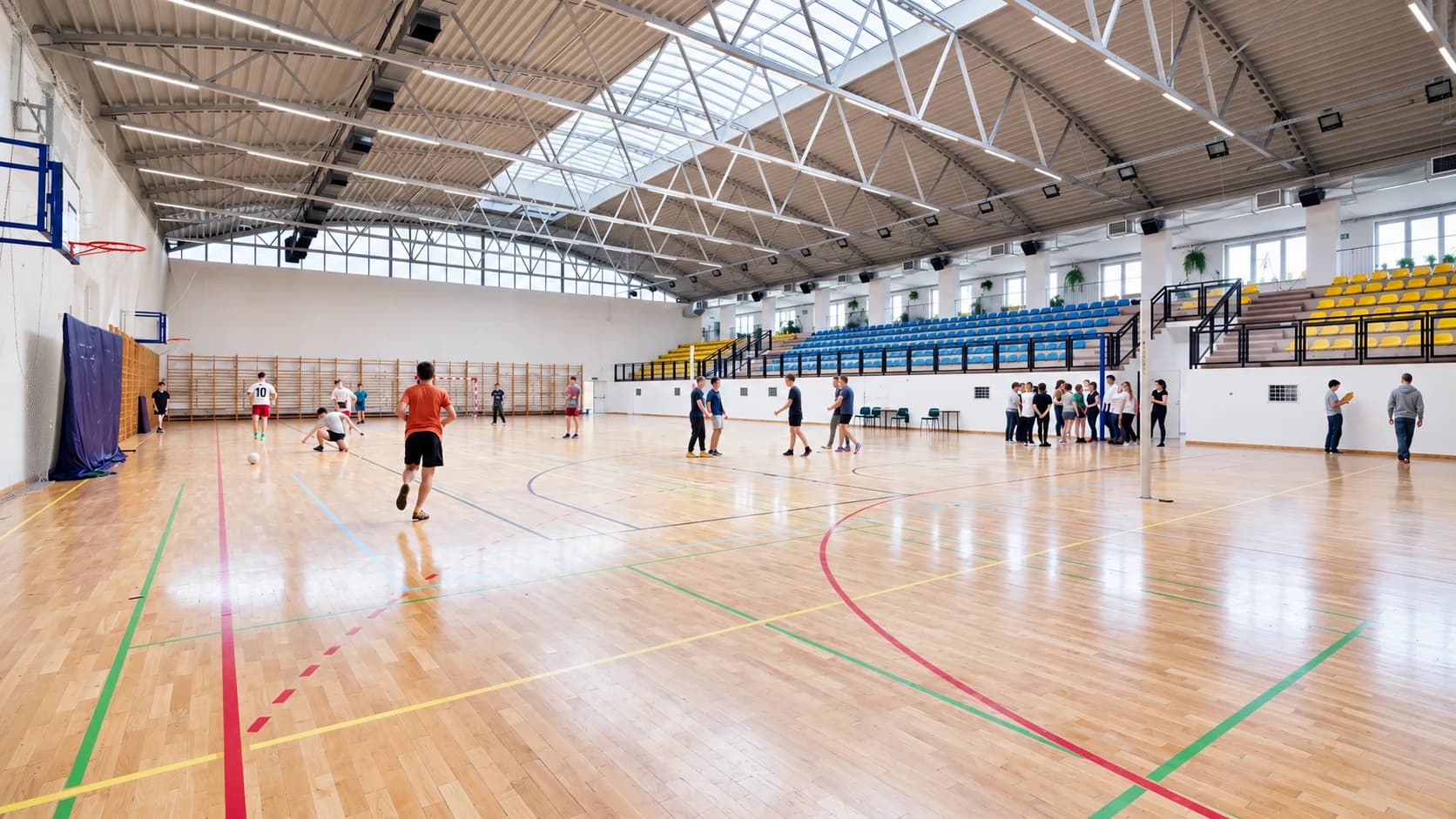
If you want to use a jump rope for basketball, give it a clear job alongside the court work you already do. Plan around team sessions, games or individual skill practice so the extra work has a place in your existing basketball schedule.
An example of coordinating a supplement
| Planning field | Illustrative entry | What would change the decision |
|---|---|---|
| Court commitment | The planned session is for a familiar shooting skill | A coach changes the court goal or the available session |
| Separate rope purpose | Rehearse already-learned rope coordination in an otherwise suitable space | The rope task itself is still unfamiliar |
| What stays protected | The agreed court skill and its intended practice opportunity | The extra task starts replacing that opportunity |
| Next conversation | Ask how any supplementary work fits the existing program | Timing, recent work or recovery concerns remain unresolved |
This example deliberately supplies no extra load, duration or weekly prescription. It shows how to name the supplement and protect the court task. The youth combined-intervention study below cannot isolate rope’s contribution or establish an adult basketball-performance promise.
Keep the basketball task clear
The Jr. NBA Rookie practice resource separates basketball content such as handling, passing, shooting, movement skills and competition. It is a youth curriculum, rather than an adult workout prescription, but the distinction between tasks is useful when thinking about supplementary work.
| Existing court priority | What the supplementary task needs to clarify |
|---|---|
| Shooting or ball-handling practice | What separate purpose the rope work serves alongside those skills. |
| A team session or regular game | How the additional task fits the basketball commitment already in place. |
| A specific goal agreed with a coach | Why the proposed addition belongs with that goal. |
This purpose check keeps supplementary work distinct from ball skills, shooting and game decisions.
Give basketball skipping conditioning a specific role
Rope practice gives you a repeatable movement pattern to learn. Court practice also involves handling a ball, responding to other players and making basketball decisions. Keeping those tasks visible helps explain the distinction between extra conditioning and practising the sport itself.
If you already know the rope task, explain where you expect it to fit relative to the court session. If you are learning the rope, allow the discussion to acknowledge the learning itself. Calling practice “conditioning” does not make every attempt uninterrupted exercise or establish a fixed amount of work.
If you arrange your own recreational sessions, begin with the existing court commitment and a clear reason for the addition. When a team or coach has already set the practice, bring the proposed extra task into that conversation instead of assuming it is invisible to the overall plan.
What a recent basketball study actually tested
A 2026 study by Brini and colleagues involved twenty-four male basketball players who were about nine years old. It compared eight weeks of combined rope and elastic-band work with usual basketball training.
The published abstract reports improvements in the combined group on physical tests including balance, change of direction, jumping and sprinting. The intervention combined two types of work, so the result does not isolate the effect of the rope alone.
The age group and measured outcomes also matter. This is not a study of every adult player or a promise that buying a rope will increase your vertical jump. The reported physical tests are different from measuring shooting accuracy or performance during a game. Keep the actual intervention, participants and outcomes together when reading the headline.
Coordinate rope training for court sports with the existing practice
Use three practical questions when deciding whether an addition is clear enough:
- Which basketball commitment is already in place, and what is its purpose?
- What does the proposed rope task add that you can describe directly?
- What would need to change if that addition crowds out the court work you intended to do?
These questions can be answered without inventing a new weekly programme. For example, someone who has already set aside a session to practise a shooting skill should be able to explain how the supplementary task fits that intention. The rope's convenience is a reason it may be available, rather than evidence that it should take over the session.
Keep the description useful when plans change. If team practice moves or the content of a session changes, revisit the role of the extra work. The purpose of coordination is to make the basketball and the supplement understandable together, rather than accumulating activities under a general promise to improve.
A simple rope format to consider
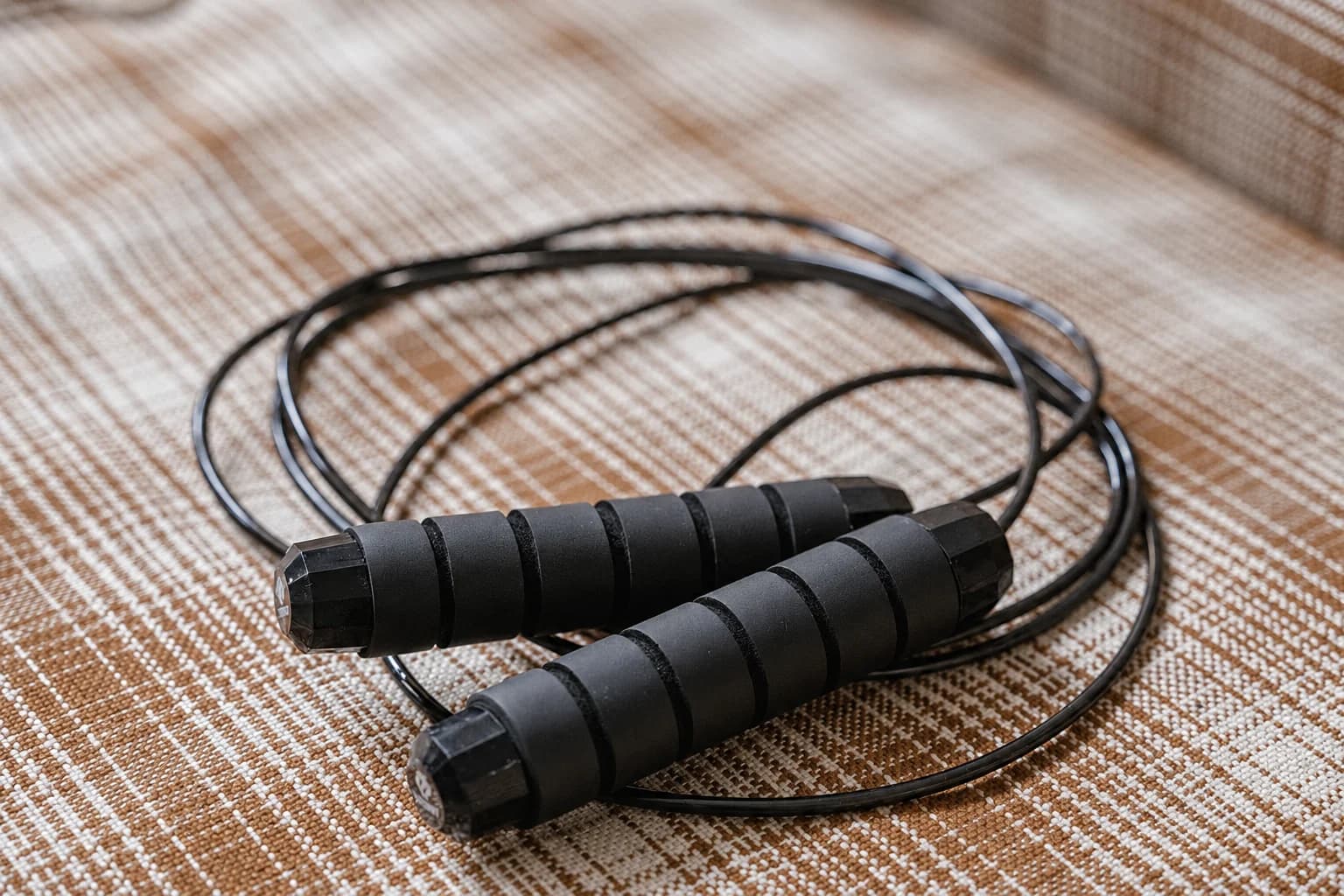
The PBGGAME rope with contoured moulded handles is one equipment option. The selected Blue version contains one black cord joined to two blue handles. It is listed as a nominal 9-foot rope and was priced at $8.99 when this article was prepared.
Compare the selected nominal length and handle format with what you already use, and check the item's use guidance. Treat the rope as one piece of equipment within the supplementary task you have chosen, rather than letting its availability decide the basketball session.