Dumbbell Complexes: Read the Structure Before Linking Movements
Understand the shared load, movement order and transitions in a dumbbell complex. Learn each exercise separately before choosing a linked sequence.
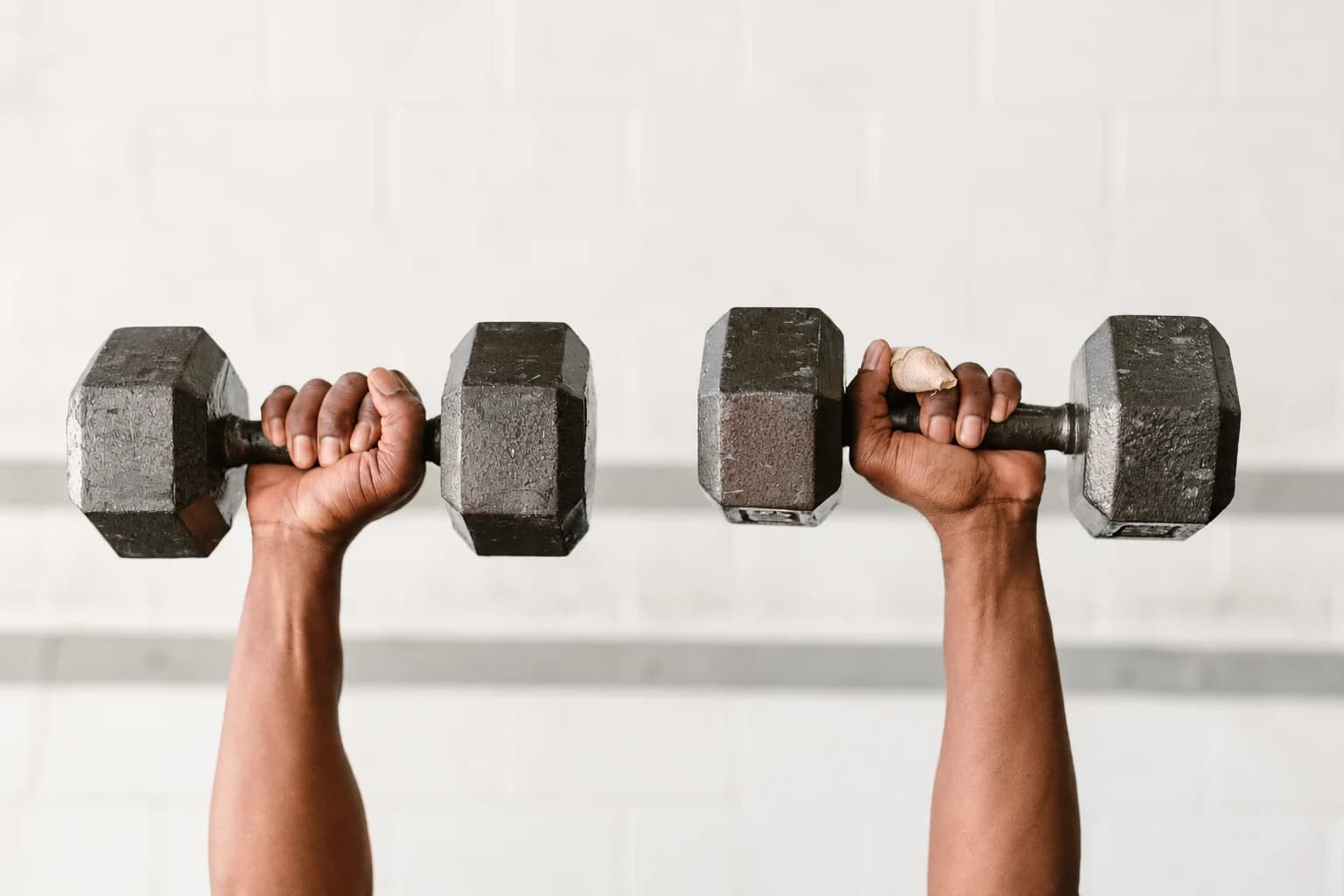
A dumbbell complex links exercises using the same pair of weights, without putting them down between movements in the planned sequence. The challenge includes both the exercises and the transitions. Choose a short order you can already perform, then let the least manageable part determine the load and length of the round.
Continuous does not mean rushed. Establish the next position deliberately and keep breathing. If you need to rest or rethink the order, return the weights under control and end that attempt.
This is a format-reading guide, not a complete follow-along dumbbell workout. The A/B example below deliberately leaves the movements unspecified. Obtain an appropriate taught sequence, learn both movements and their controlled exits independently, then decide whether linking them suits the task.
| Before a continuous sequence is usable | Your named instructions |
|---|---|
| Movement A and its own lesson | ____ |
| Movement B and its own lesson | ____ |
| Transition A finish → B start | ____ |
| Shared load that suits the least manageable part | ____ |
| Controlled return from either part | ____ |
| When to stay with separate sets | ____ |
What is a dumbbell complex?
In Life Time's guide to a Javorek dumbbell complex, a complex combines at least two exercises in one continuous set using the same dumbbells. Learn the individual movements first and know the order before starting. The guide describes a complex as a form of circuit, so the labels are not mutually exclusive.
| Format | How it is organised |
|---|---|
| Continuous complex | Complete a planned linked order with the same weights, then put them down and rest. |
| Station-based circuit | Move through exercise stations or sets; rests, equipment changes and putting weights down may be part of the plan. |
| Separate sets | Finish and rest after one exercise before repeating it or moving to another. |
These formats can use some of the same exercises. What makes a complex continuous is the organisation of the round, not a special piece of equipment or a requirement to add difficult lifts. If a linked format does not suit your current skills, separate sets remain a useful choice.
Let the least manageable movement set the load
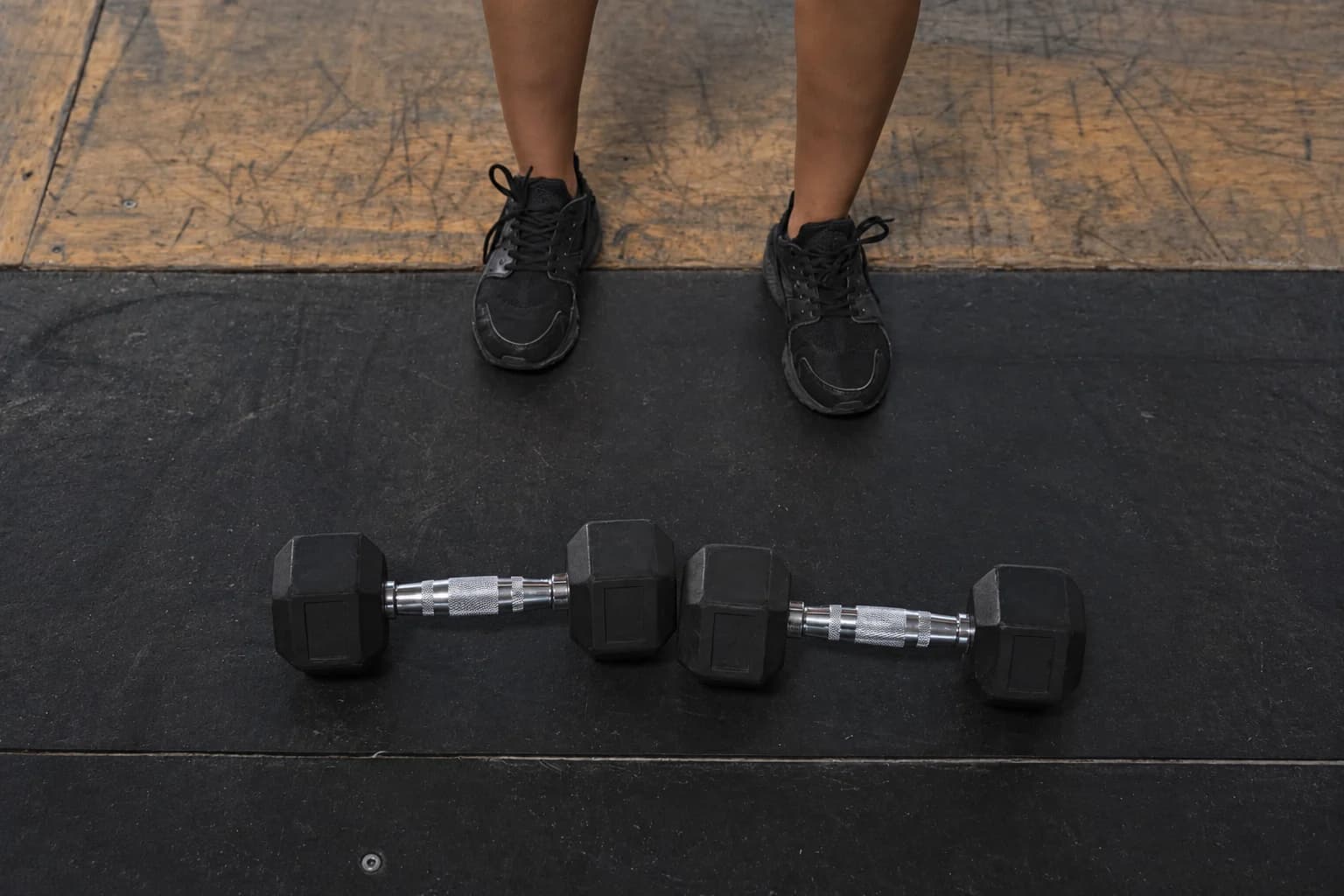
A load that feels manageable for the first movement may be too demanding for a later one. Check every exercise separately before linking them, including how you establish and leave its starting position. The limiting movement is the one you cannot keep controlled with that load in this particular sequence.
Do not choose the pair from your strongest lift and hope to get through the rest. Use a load that suits the least manageable movement, with room to finish before technique changes. If the necessary weight makes another exercise feel easy, that is a normal trade-off of sharing one load rather than a reason to force the difficult part.
The transitions need the same attention. Check whether you can change posture, foot position or hand orientation without swinging the weights, making a sudden catch or improvising a new lift. Learn an unfamiliar transition separately; a smooth-looking video is not evidence that you can reproduce it under fatigue.
Grip effort also accumulates while the weights remain in your hands. Stop the round before slipping, an uncontrolled return or a shortened movement becomes the only way to continue. Reducing the load, shortening the order or returning to separate sets are practical adjustments. More continuous work is not automatically more useful work.
Rehearse without weights first and keep the working space clear. Know how and where to return the dumbbells from each part of the sequence. If an exit is unfamiliar, stay with separate sets. Change equipment or the written plan only after putting the weights down.
Dumbbell complex for beginners: rehearse the links
- Choose a short sequence you have learned with appropriate instruction. In a two-movement example, call its exercises A and B. Know both independently and how to move from the finish of A into the start of B.
- Write down A, then B, then the controlled return of the dumbbells. Rehearse that order without weights. If you cannot establish the next position comfortably, practise the exercises separately.
- Check the shared pair against both exercises and the transition. Use the less manageable part to limit the load, then choose a short, memorable amount of work.
- When ready, perform the planned A work, establish B deliberately, perform its planned work and return the weights under control. Rest before deciding whether to repeat.
A followed by B describes the structure, not a prescribed exercise combination. For a first trial, a few familiar repetitions may be enough to assess the link. The goal is to find out whether the same manageable pair and transition work together, not to create the longest possible chain.
Keep a dumbbell flow workout controlled
Judge a linked workout by the actual exercises and transitions rather than the word flow. A deliberate reset of posture before the next movement is useful. Chasing seamless motion can turn a familiar exercise into an unplanned combination, especially when the next starting position is different.
Memorise the order before lifting. Do not add a clean, press or floor transfer simply to keep moving; learn each required skill separately first.
Writing about a kettlebell complex, coach Andrew Heffernan advises ending the round if a rest is needed and lowering the equipment under control. That is a useful stopping principle for linked work; his kettlebell movement order is not a dumbbell sequence to copy.
Finish one controlled round before adding more
Warm up and rehearse the exercises separately before trying a linked round. After it, rest and decide whether another round would remain controlled. You can finish after the first trial.
Record the exercise order, weight per dumbbell and what changed first: grip, posture, pace or memory of the sequence. Repeat a manageable version before changing one feature. Add neither weight nor repetitions just to match someone else's round, and avoid increasing both at once.
If pain, dizziness, numbness or unexpected loss of control occurs, stop. Persistent symptoms or existing restrictions need individual guidance. A complex is an optional way to organise exercises, not a requirement to complete a round despite a problem.
Prepare the order and the equipment before lifting
Write the chosen movement order in your own notes before lifting. Use familiar, appropriately taught movements and a known sequence, with setup cues you can check before the load is in your hands. A written order helps you follow the plan; the movements and transitions still need to suit your ability and equipment. Check the notes between attempts instead of reading new instructions while lifting.
The PBGGAME light-green dumbbell pair provides two fixed dumbbells labelled 1 kg each, nominally 2 kg for the pair. Choose the pair when that per-hand load suits every movement in your taught sequence, including its controlled finish. Rehearse each movement separately before linking the sequence.