Combining Bands with Dumbbells: When Mixed Resistance Adds Complexity
Distinguish separate band and dumbbell exercises from specialist combined loading within one lift. Choose a clear task before adding equipment complexity.
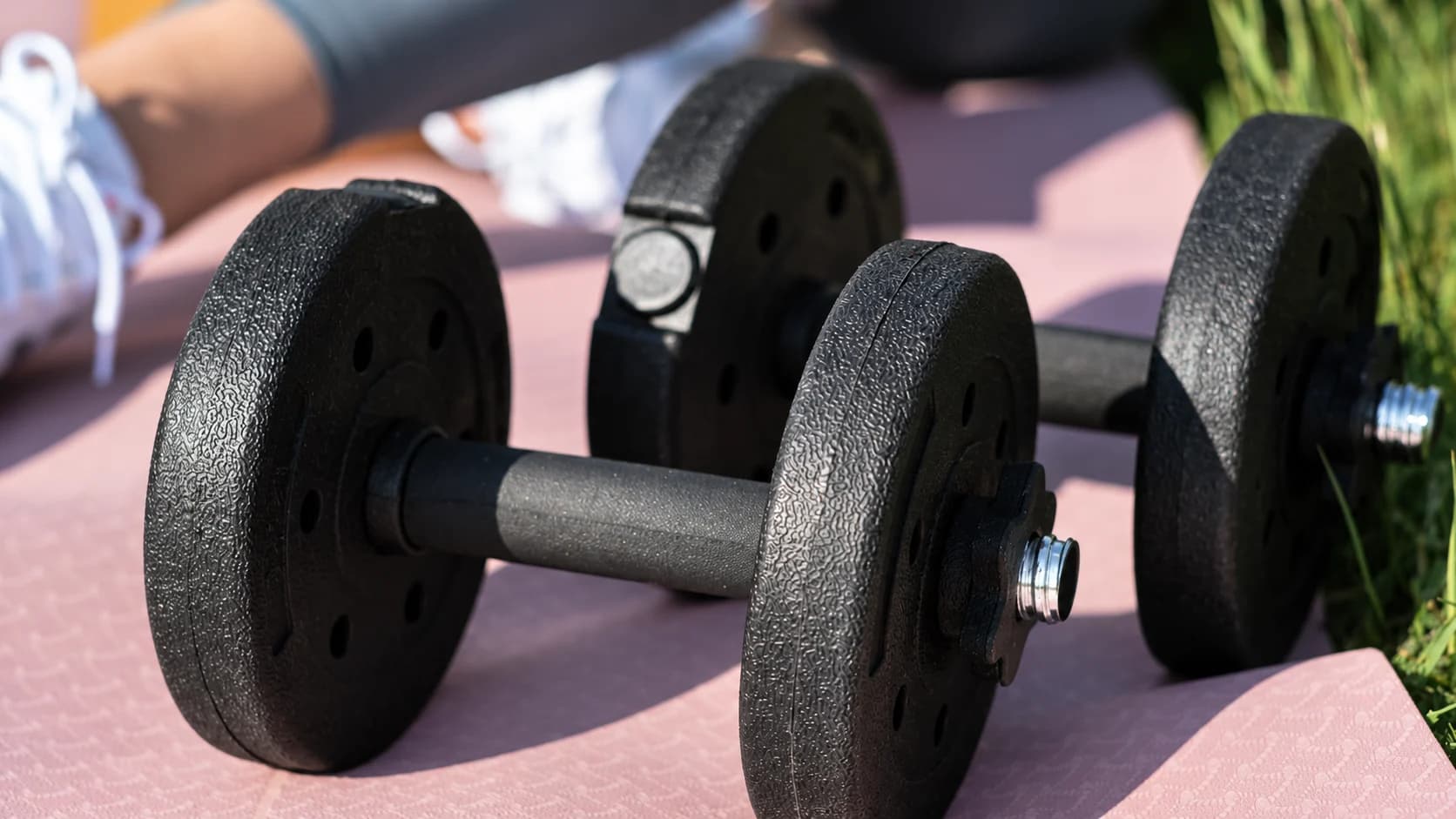
Combining resistance bands and dumbbells can mean two different arrangements. You might use each for a separate exercise in one workout. Alternatively, a particular exercise might apply elastic and free-weight resistance at the same time. Make that distinction before choosing equipment or interpreting a claim about “mixed resistance.”
Name the combination before choosing the setup
| Arrangement | What is being combined | The practical question |
|---|---|---|
| Separate exercises in one session | Different equipment choices for different tasks. | Does each exercise have a clear role in the existing workout? |
| Two resistance sources in one exercise | A particular movement and loading arrangement. | Is that exact configuration intended and appropriately supported? |
Owning both types of equipment does not require using them together in one movement. Start by describing what you want the arrangement to accomplish. That gives a coach or instructor a concrete task to discuss instead of an open-ended request to make an exercise more complicated.
Mixed resistance training evidence depends on the arrangement
In a small study by Prejean and colleagues, eight collegiate track-and-field throwers completed barbell bench-press conditions with and without added elastic tension. The researchers examined immediate bench-press power in those conditions.
That comparison concerns a particular barbell setup and an acute outcome in a small athletic sample. It does not test a light dumbbell with a band attached at home, long-term muscle growth or the value of using separate band and dumbbell exercises within one workout. Keep the arrangement and the measured outcome attached when reading a claim based on this study.
Bands with free weights can have separate roles
| Two meanings of “combined” | Schematic | Document each task |
|---|---|---|
| Same session, separate exercises | Taught band exercise → finish/recovery → taught dumbbell exercise | Record each implement, permitted setup and own work separately |
| Same movement, added sources | One movement + simultaneous elastic/free-weight loading | Requires the exact intended system; this guide supplies no connection method |
For the first arrangement, the NCHPAD weights-and-elastic resource names band bicep curls and a free-weight hammer curl separately. Choose an appropriate already-taught example and retain its own instructions. Log band exercise/setup ____ and dumbbell exercise/load ____; no improvised connection is needed.
The NCHPAD exercise resource presents band bicep curls and a hammer bicep curl with free weights as separate examples. Those named entries offer a concrete way to understand using different equipment without attaching the pieces to one another.
Read the original guidance for the specific exercise and the equipment it uses. Each item can have its own task and instructions.
That separation is useful when you want a straightforward explanation of what changed. If one familiar exercise uses a band and another uses dumbbells, describe the choice that way. You do not need an improvised connection simply to call the session mixed resistance.
Added elastic equipment can resist or assist
The NSCA excerpt on resisted and assisted bands describes specialist barbell arrangements in which bands can provide resistance or assistance. The configuration determines the role. The presence of an elastic component alone therefore does not tell you that every part of the movement has become harder.
This is a good reason to name the intended setup precisely. A coach should be able to explain what the arrangement is meant to change and why that change matters for the task. The equipment also needs intended-use instructions appropriate to that exact configuration.
A specialist barbell example is a different arrangement from a band placed around a household dumbbell. Copying the visual idea leaves important equipment questions unanswered. If the proposed benefit is only “using more equipment,” reconsider the purpose before adding the extra setup.
Two equipment options for separate tasks
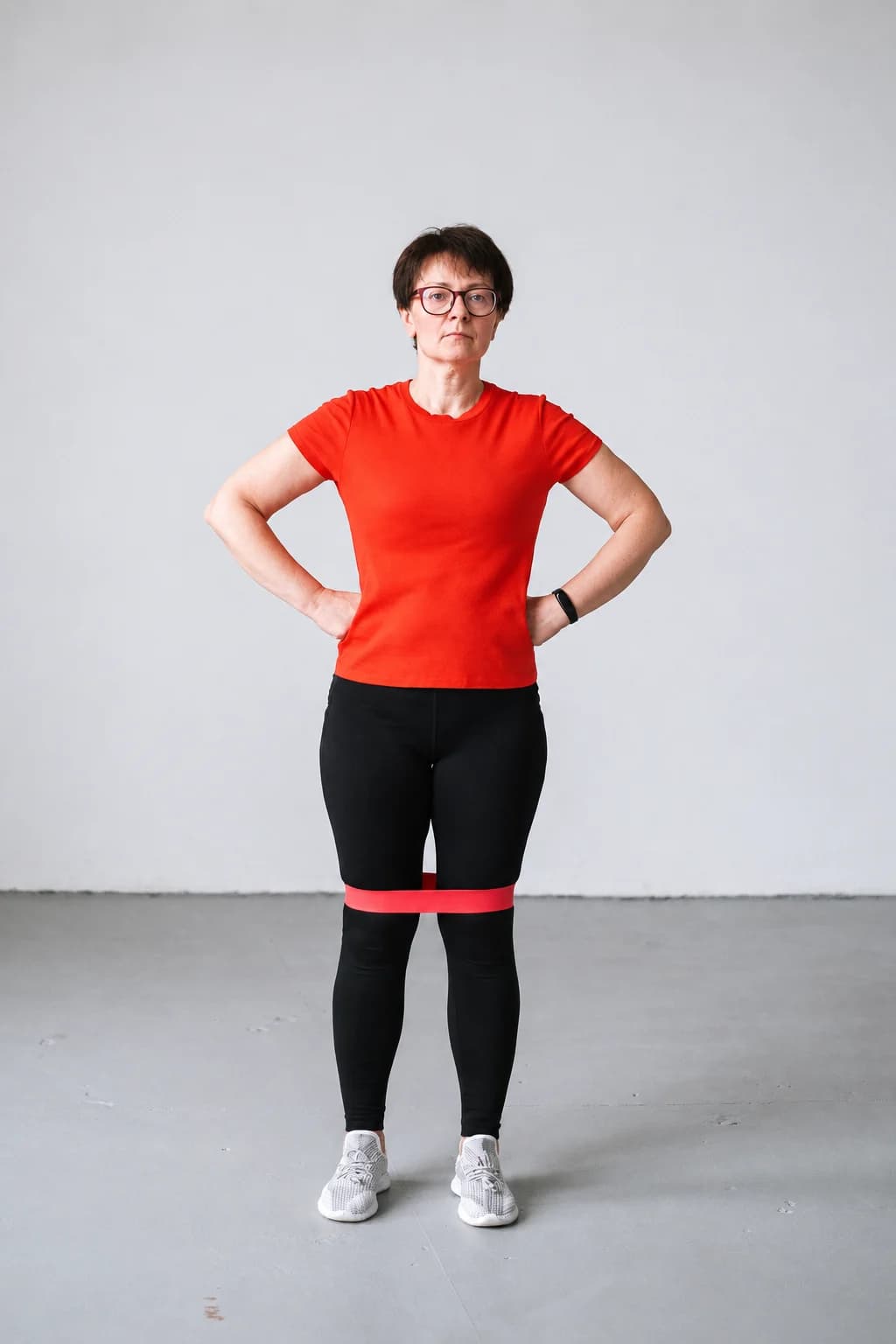
The PBGGAME light-green dumbbell pair contains two fixed dumbbells marked 1 kg each. The selected pair was listed at $25.80 when this article was prepared. The narrowed grips and wider ends identify the format; the marking is not a recommendation for your exercise load.
For a separate band task, the PBGGAME loop and mini-band set with detachable handles offers five long flat closed loops and five mini loops, with detachable handles and accessories. The selected Combination Set was listed at $18.99. It is a loop set, rather than a tube set.
These are two product options for independently selected exercises. The handles and hardware supplied with a band kit do not establish a connection method for the dumbbells. Read each item's instructions for its intended use, and keep the actual task clear when discussing the equipment with your instructor.
Choose the arrangement that answers your question
If you want different equipment for different familiar exercises, describe those exercises separately. That keeps the selection specific without adding another setup task. If you want to change the loading arrangement within one lift, ask for the rationale and the exact intended equipment before treating it as the same decision.
You may also discover that the question concerns a term rather than a mixed setup. Our elastic, isometric and isotonic guide explains those labels. For the separate question of changing pull through a movement, the band-force-curve guide distinguishes external band force from a joint's turning demand.
An effective explanation should tell you what each item contributes. Simply adding a second source of resistance does not supply that explanation; a clear task makes it possible to judge whether the complexity has a useful purpose.