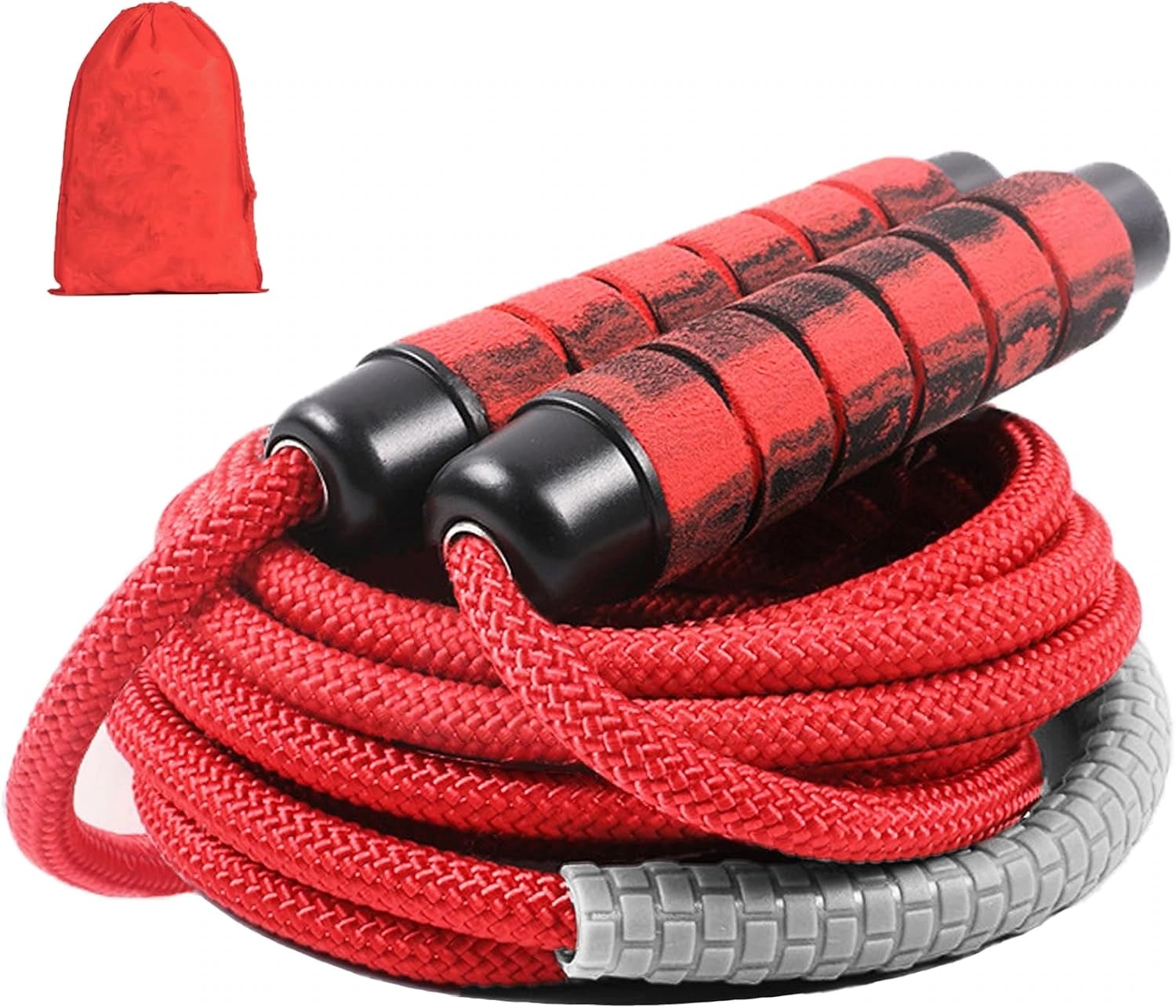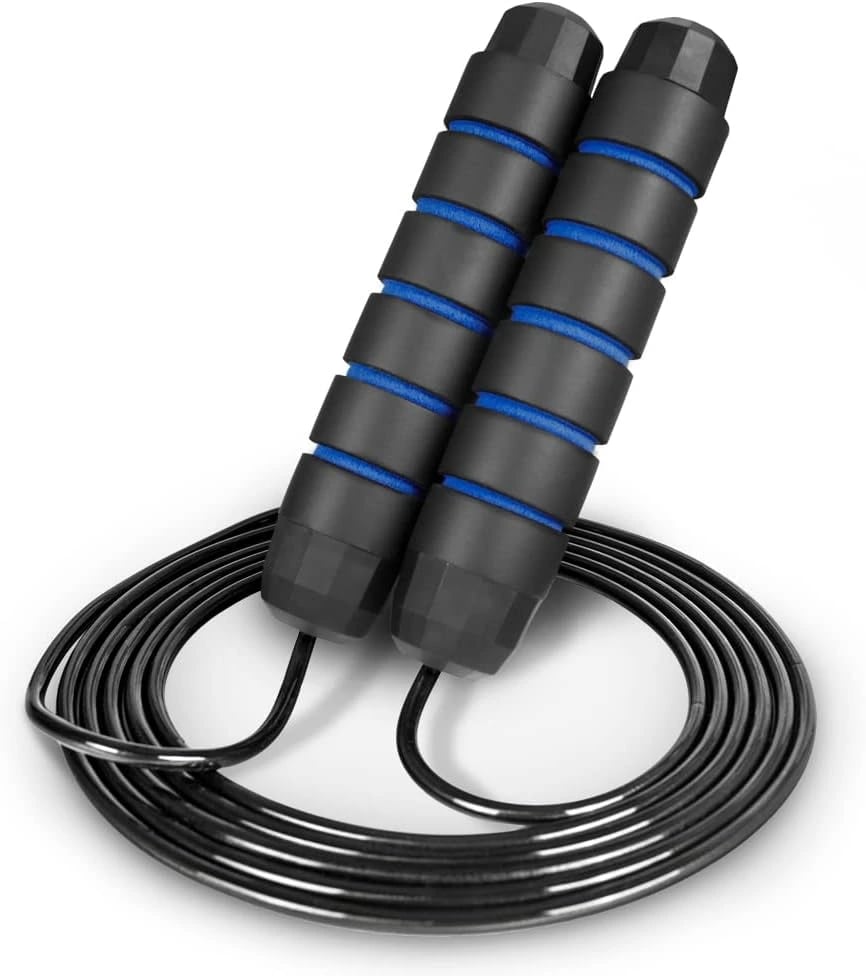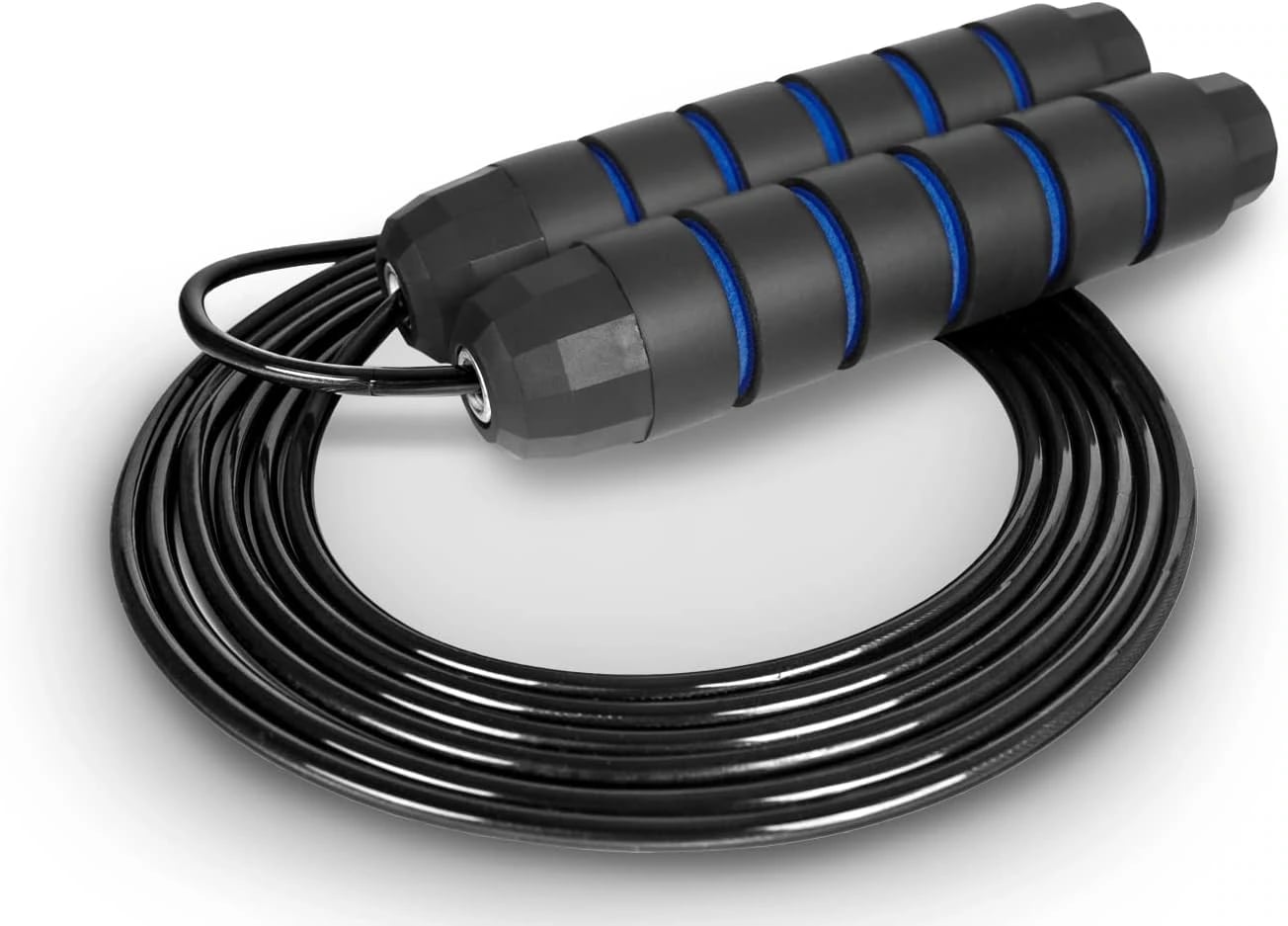
PBGGAME Speed Rope with Socket Joints & TPU Grip Panels
11 ft socket speed rope
$18.99FIND YOUR EVERYDAY MOVEMENT
Condition footwork, cardiovascular stamina, and hand-wrist coordination with PBGGAME jump ropes. Spanning ball-bearing speed cables, shatterproof beaded skill ropes, and heavy weighted cords, our adjustable skipping rope lineup supports boxing rounds, HIIT sprints, and rhythm drills.
11 ft socket speed rope
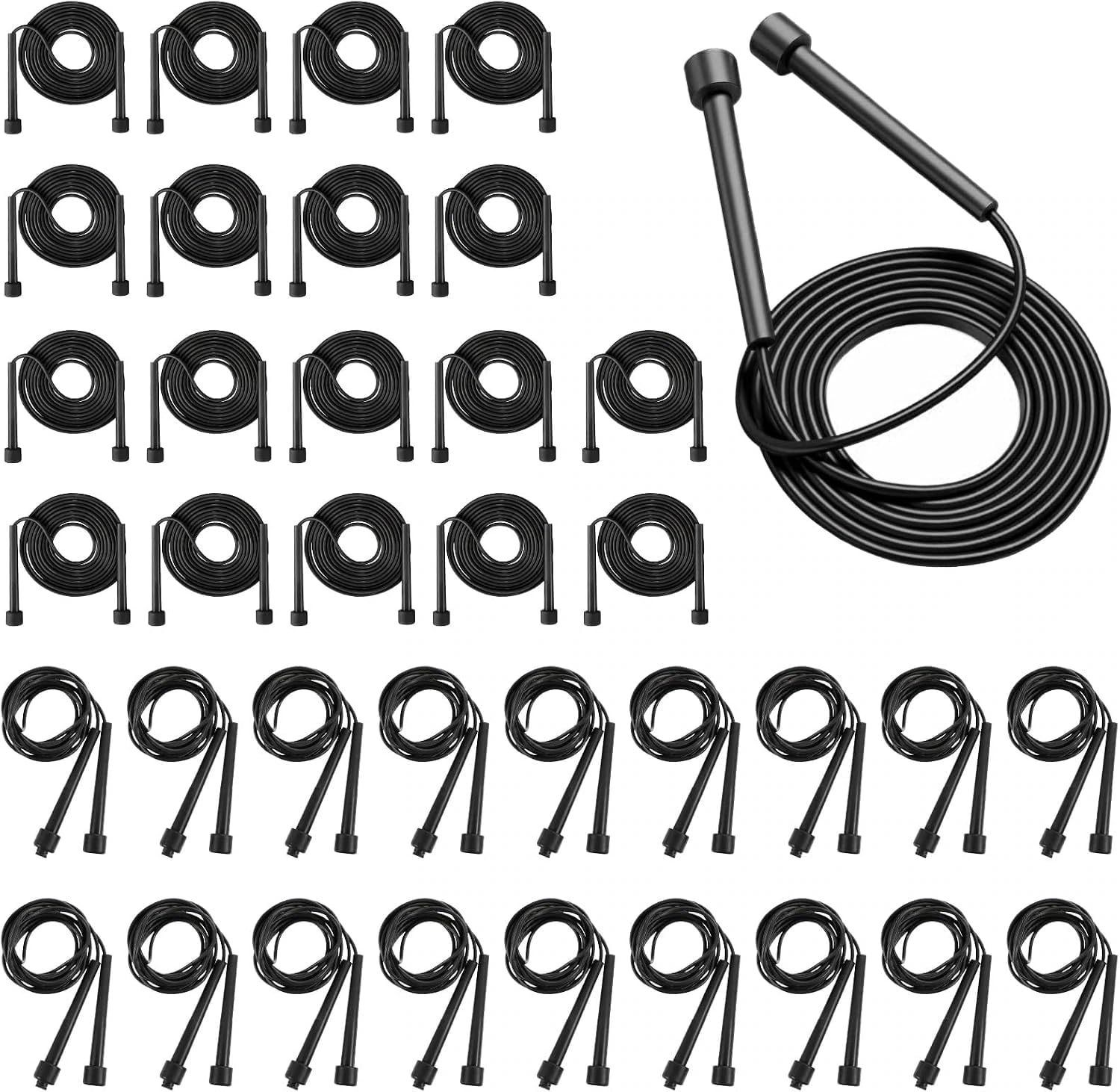
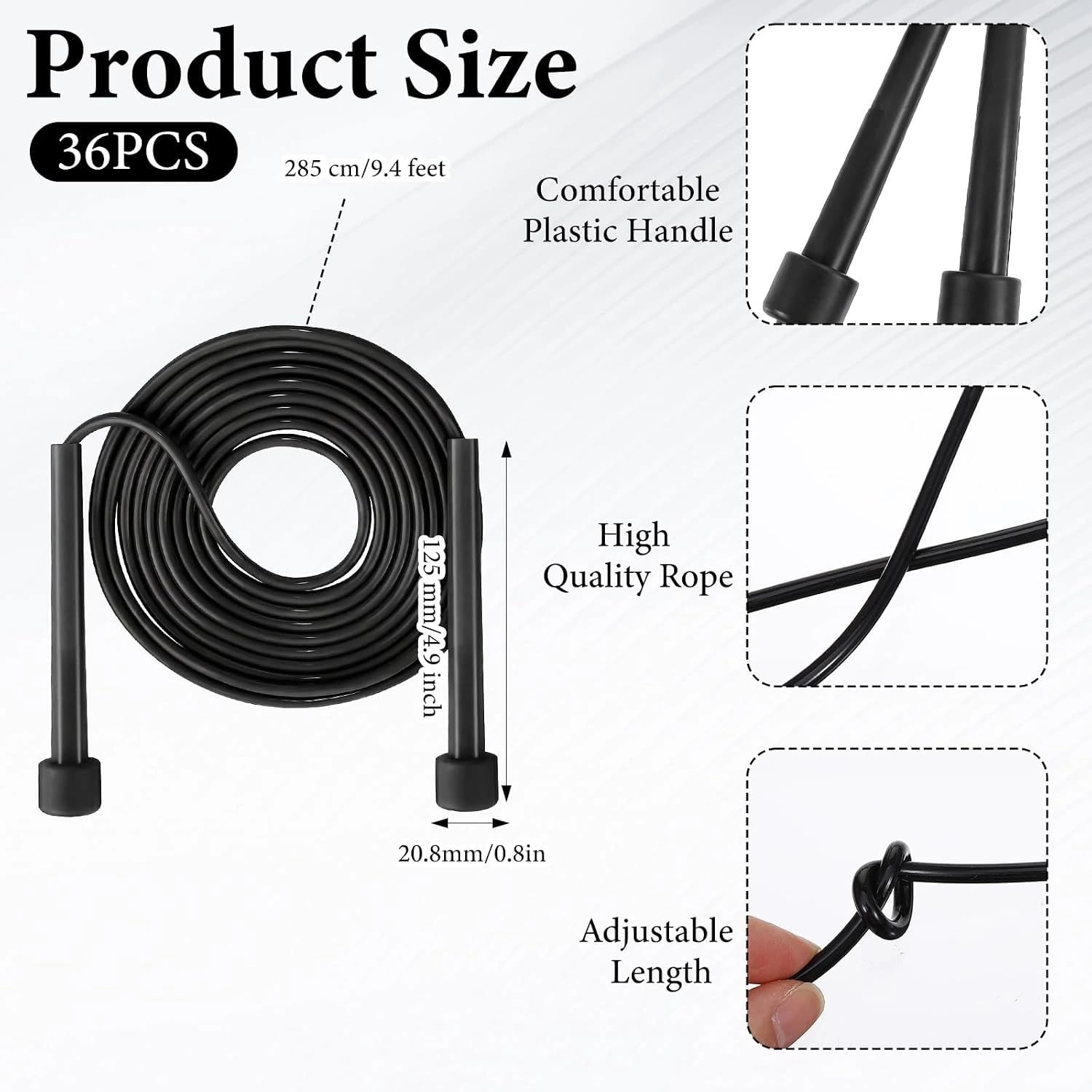
$18.9936 black ropes
$28.996 Pack · 3 options
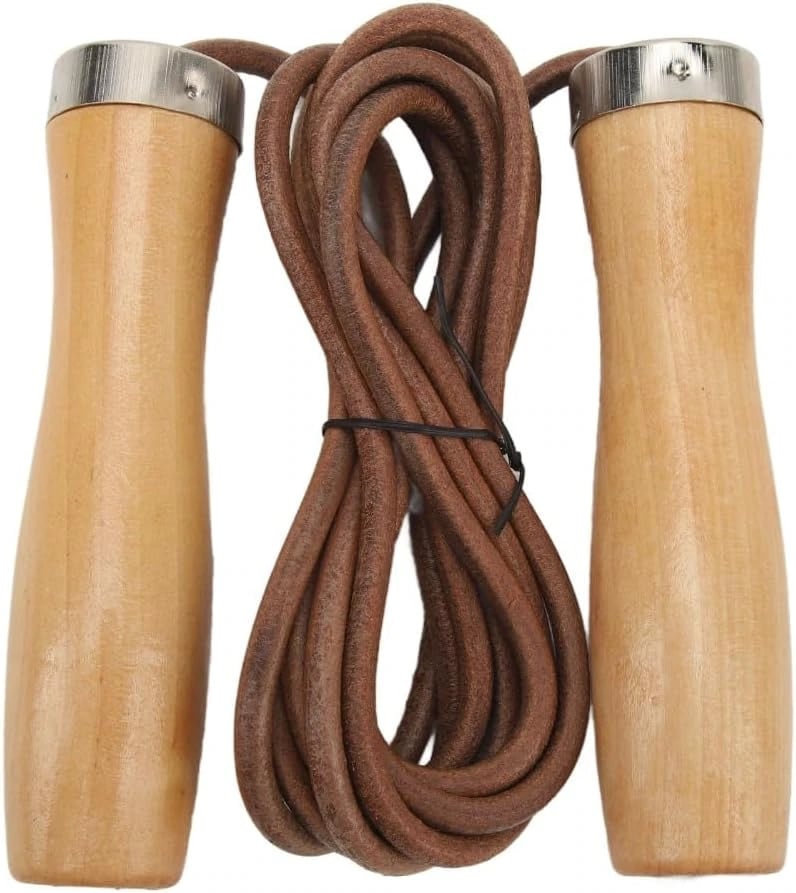
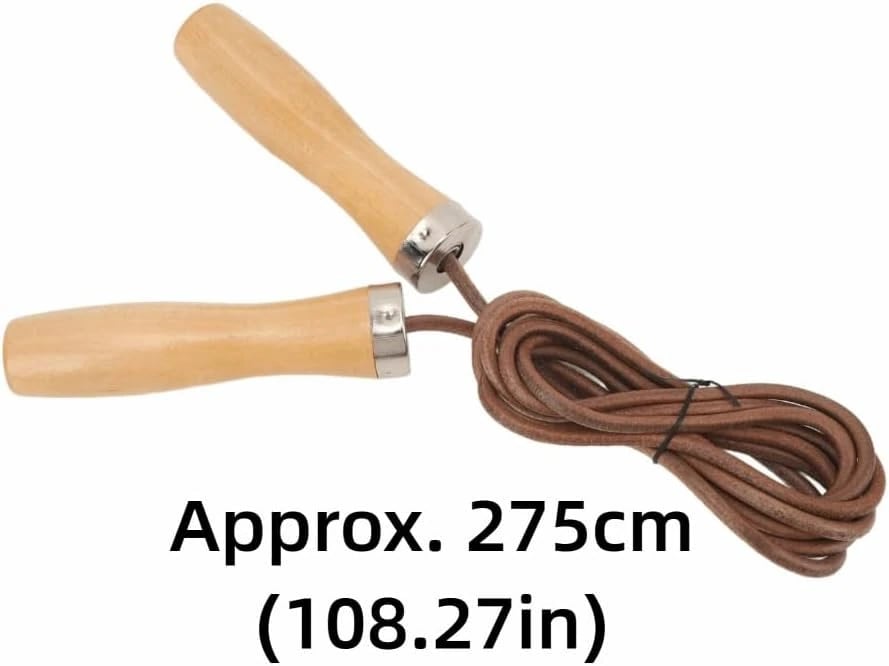
$16.99Brown / approximately 275 cm
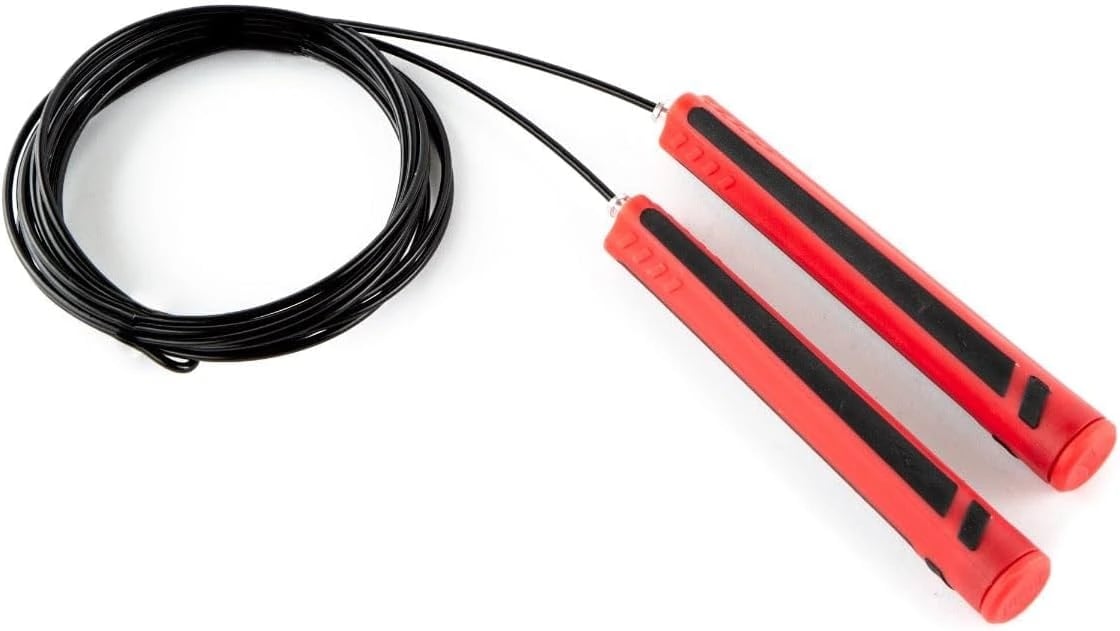
$12.99Red / 10 ft
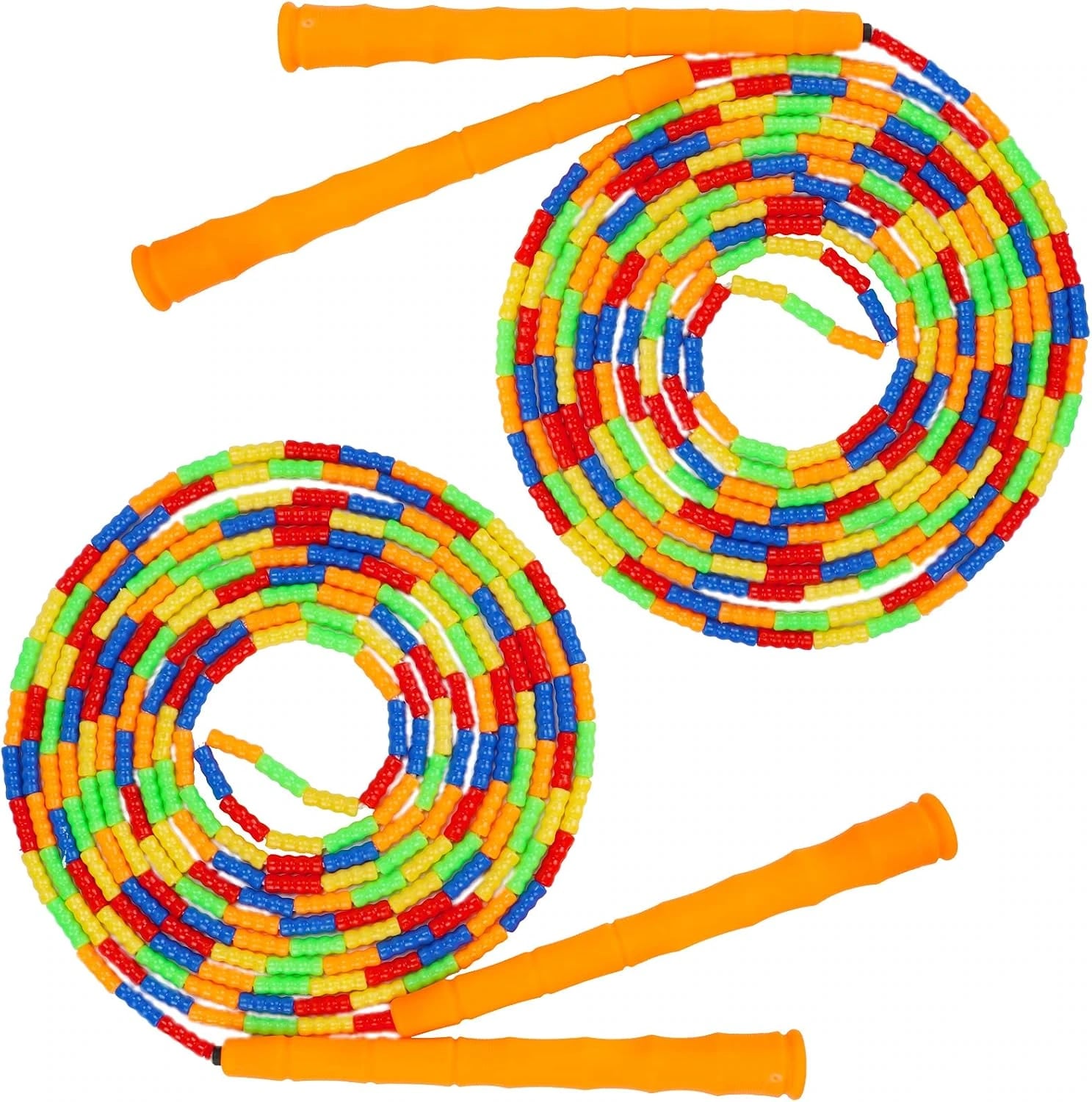
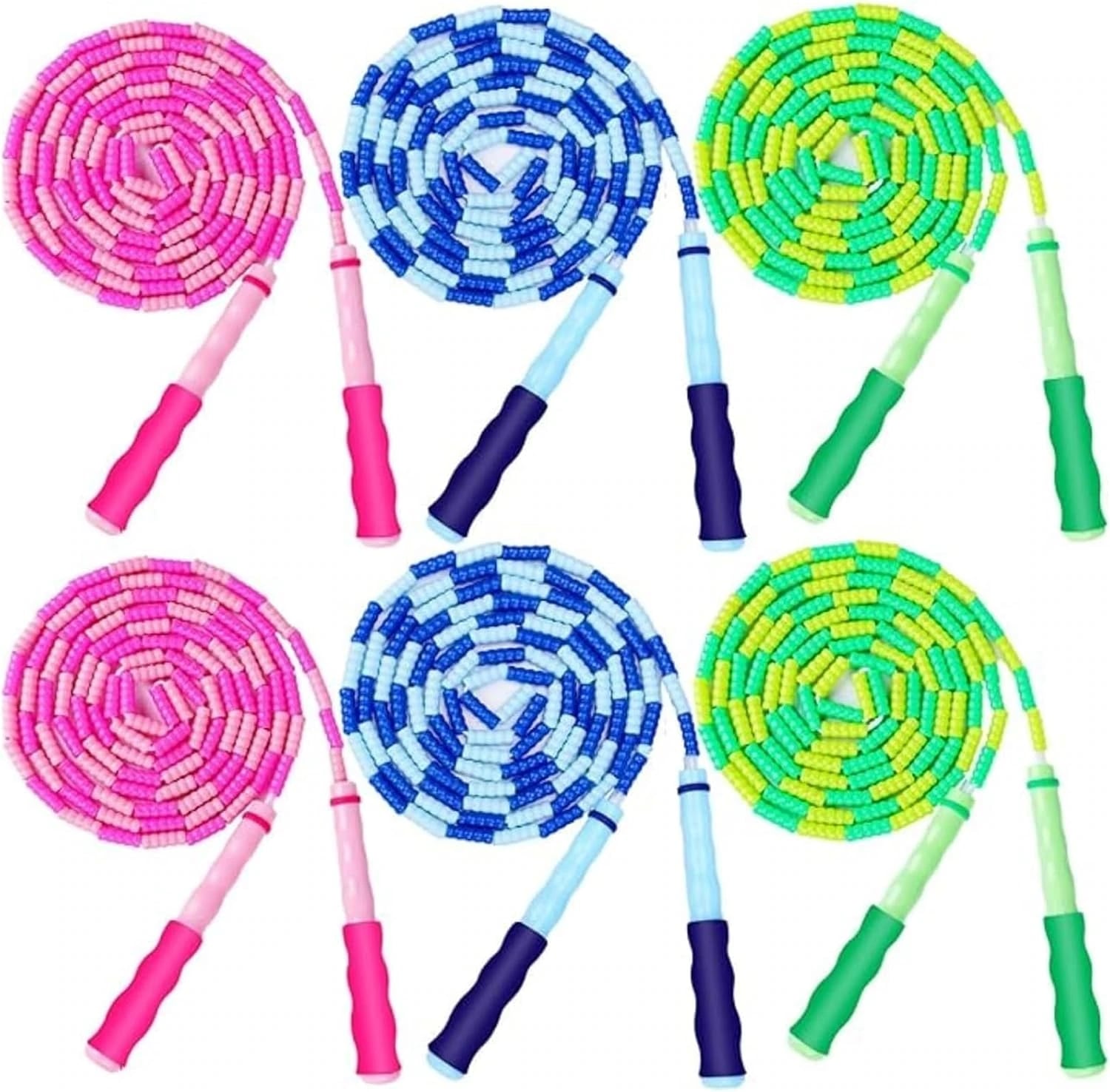
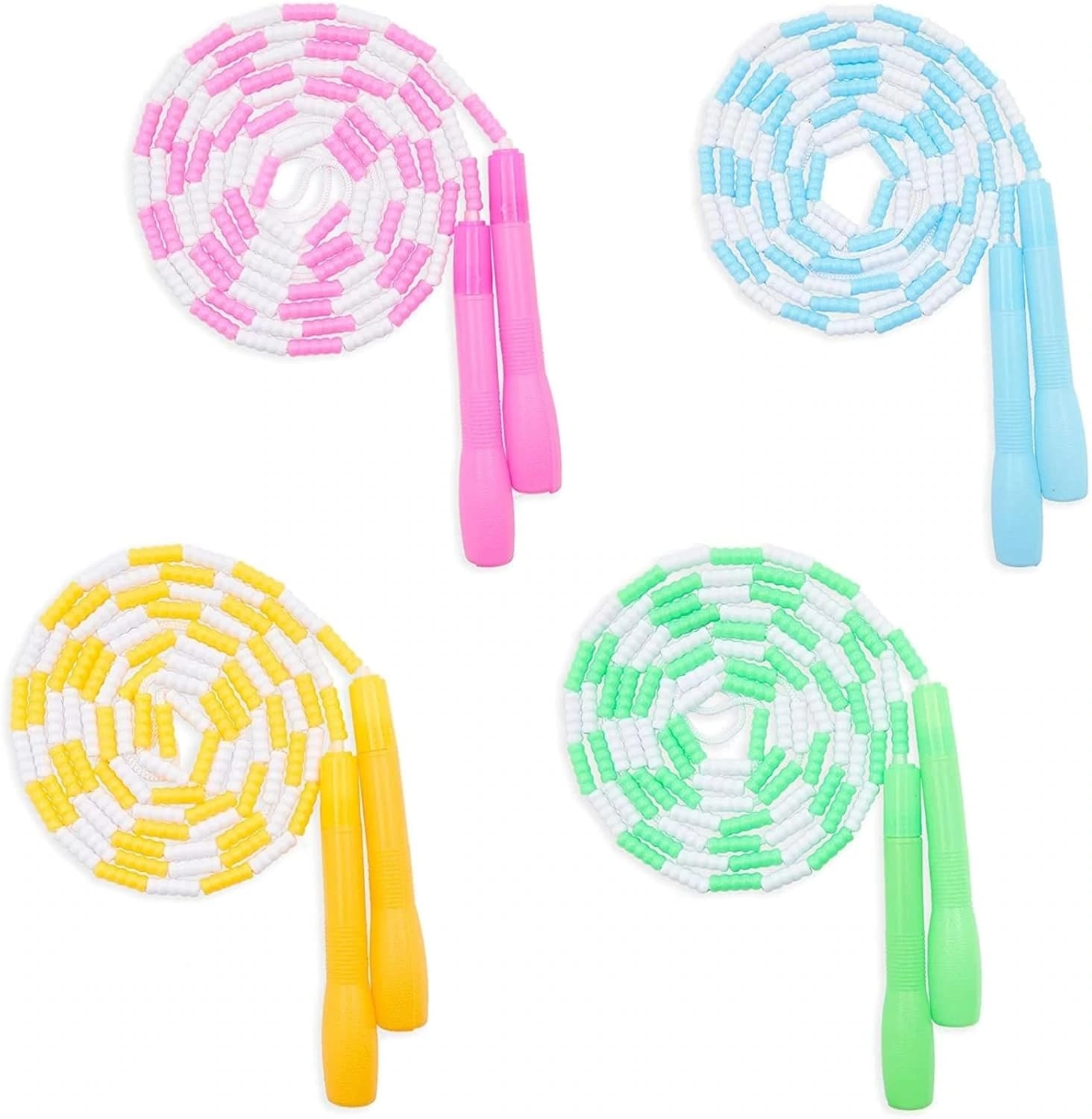
$12.99Four-rope multicolor set
$8.48EQUIPMENT & TRAINING GUIDE
Integrating a jump rope into structured athletic conditioning builds rapid stretch-shortening cycles within the Achilles tendon complex while challenging cardiovascular threshold. Skipping rope demands precise timing between peripheral wrist rotations and ground-contact rebound, training the plantar flexors to absorb and return elastic energy with minimal foot contact time. Rather than relying solely on monotonous treadmill intervals, an adjustable jump rope delivers portable, multidirectional conditioning that hones footwork rhythm, agility, and breathing coordination across dense athletic sessions.
Developing efficient skipping mechanics requires calibrating rotational velocity to your specific movement objectives. Novice athletes typically benefit from moderate-tempo turning that delivers tactile feedback on every turn, allowing the nervous system to time double-foot hops and alternating boxer steps cleanly. Conversely, advanced conditioning protocols demand higher cord turnover to challenge metabolic capacity. Selecting between a high-rpm speed jump rope, a tactile beaded jump rope, or a heavy resistance cord ensures your cadence matches your weekly conditioning split, whether targeting boxing footwork, HIIT intervals, or basic warmups.
When upper-body stamina and shoulder girdle conditioning are prioritized alongside footwork, introducing a weighted jump rope expands the training stimulus across the forearms, posterior deltoids, and rotator cuffs. Dynamic centrifugal tension generated by rotating dense cords requires continuous core bracing and firm grip tracking, driving heart rate upward rapidly without requiring heavy external barbell loading. For standard cardio sessions, an adult skipping rope equipped with smooth handle swivels preserves wrist comfort by preventing rotational drag across extended three-minute rounds.
Proper cord sizing is essential for maintaining efficient posture and preventing tripping. Step onto the midpoint of the cord with one training shoe and draw the handles upward toward your chest; positioning the handle grips near the armpits establishes an ideal starting clearance. As technique sharpens and hand placement shifts closer to the hip crest, shorten the length incrementally to reduce rotational arc diameter and accelerate cycle speed. Jump exclusively on shock-absorbing rubber mats or sprung studio floors to preserve joint health and protect protective cord coatings from abrasive concrete friction.
Stand with one foot on the rope center and pull handles upward; position the cable junctions between your sternum and armpits for optimal rotational clearance without wasted motion.
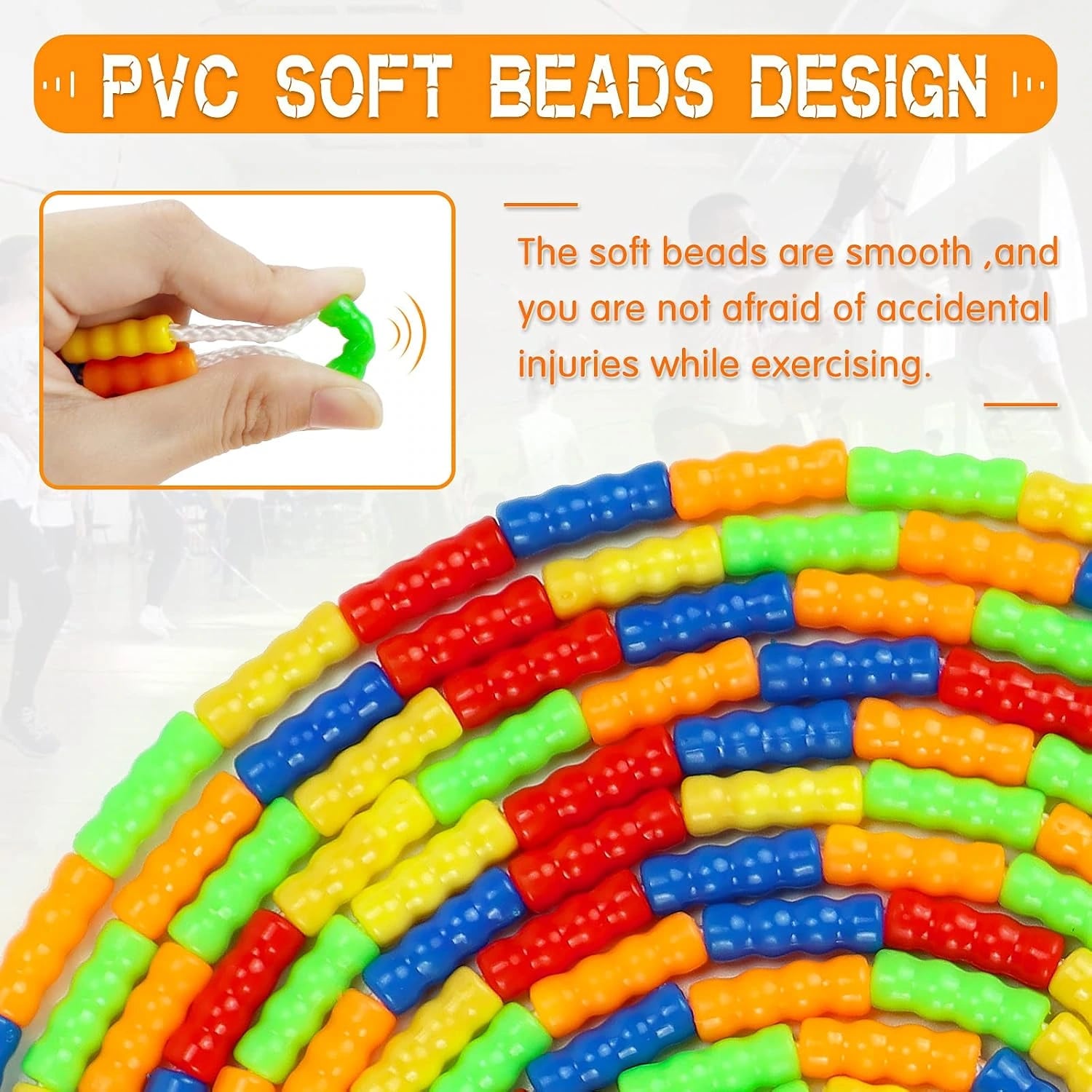
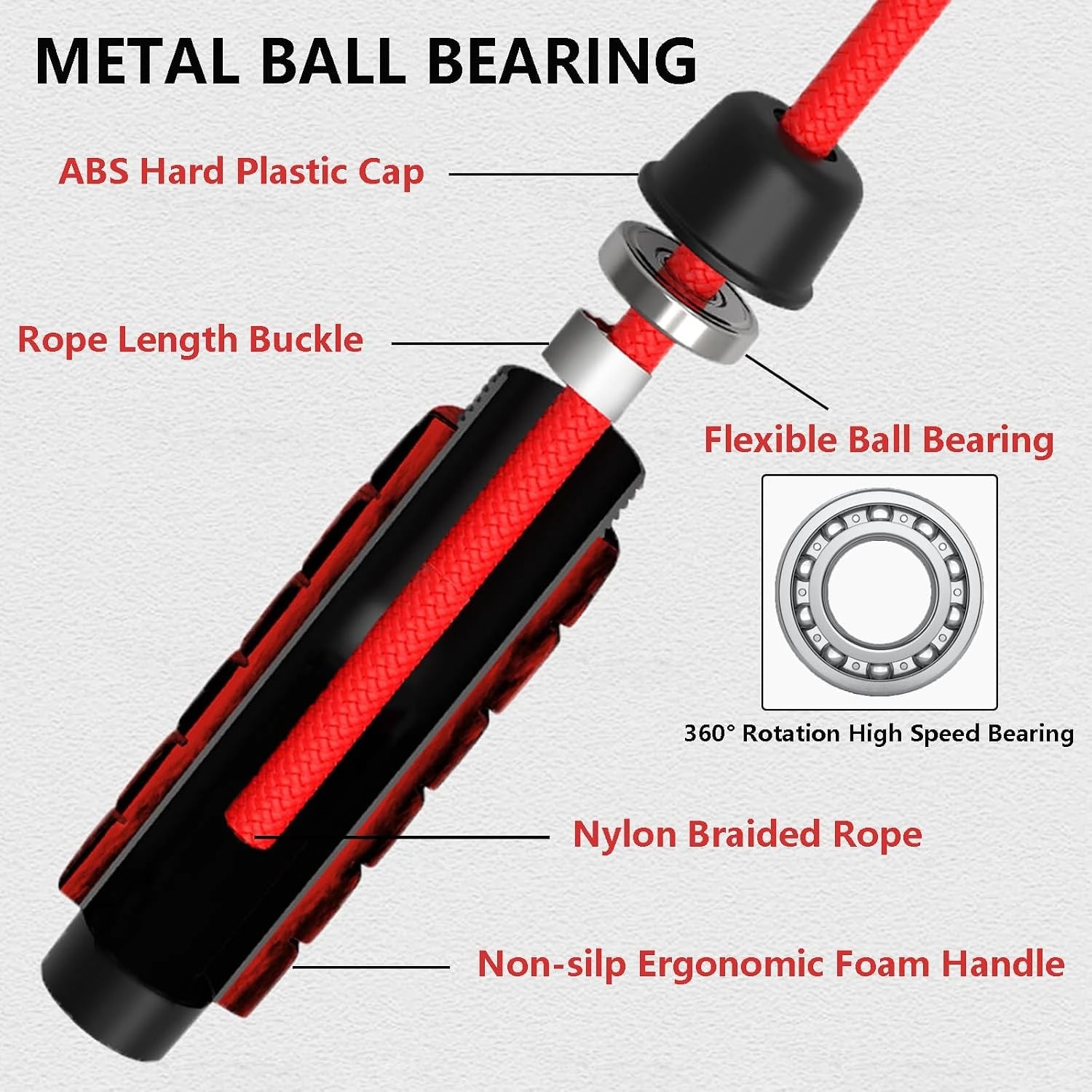
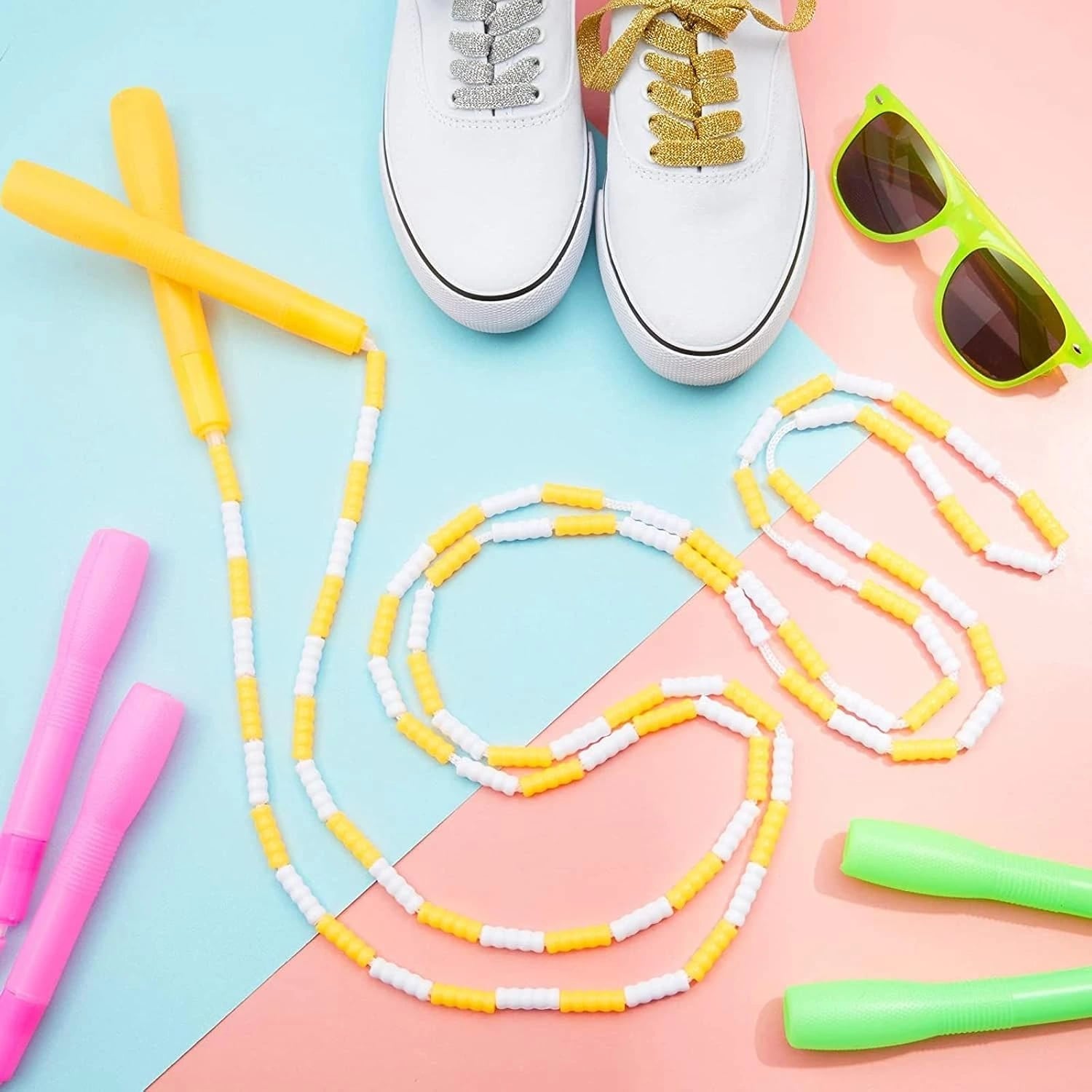
Dual 360-degree ball-bearing swivels eliminate cable friction for rapid double unders, while segmented beaded cords deliver tactile feedback and audible floor clicks for footwork drills.
Preserve thin coated steel cables by skipping on rubber flooring or dedicated jump rope mats; use durable thick PVC or shatterproof beaded ropes when training on outdoor concrete.